Adding ketamine to fentanyl fails to reduce pain in trauma
Medscape highlights UC-led research study

Medscape highlighted research led by the University of Cincinnati's Jason McMullan, MD, that found adding intranasal ketamine to fentanyl does not improve pain scores in patients with out-of-hospital trauma injuries.
The research was recently published in the Annals of Emergency Medicine.
The team conducted a randomized clinical trial of 192 patients requiring out-of-hospital pain medication for acute traumatic injuries. Participants received standard care treatment with fentanyl followed by a single intranasal dose of either 50 mg of ketamine or a placebo.
Researchers found there was no statistically significant difference between the ketamine and placebo groups, and pain over 3 hours of emergency department care did not differ at any point between the two groups.
"Although adding intranasal ketamine did not prove effective in any measured outcome, ketamine did not increase the risk of important adverse events. Importantly, we observed no difference in sedation after receiving ketamine and fentanyl, and no episodes of laryngospasm or emergence phenomenon occurred," the study authors wrote.
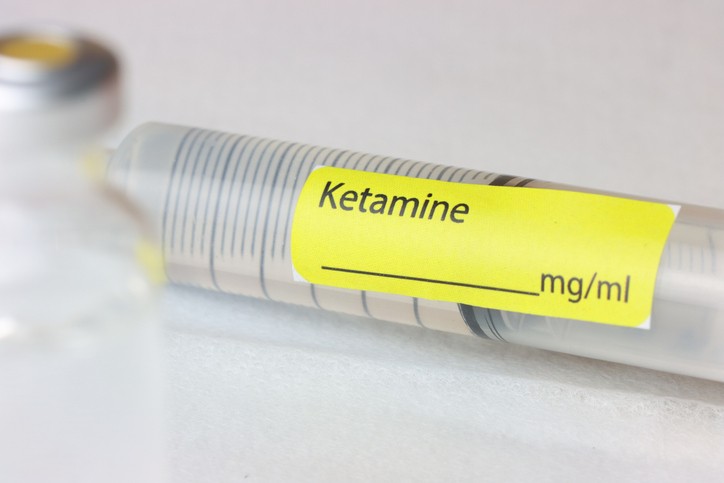
Featured photo at top of ketamine vial. Photo/Jennifer Fontan/iStock.
Related Stories
‘Designer drug’ shows early neuroprotective signal in acute ischemic stroke
October 28, 2025

Medscape highlighted new trial results led by the University of Cincinnati's Eva Mistry that found an experimental drug shows promise in protecting injured brain cells for patients with acute ischemic stroke.
UC Board votes to fund design for YMCA renovation
October 28, 2025
At its October 28, 2025 meeting, the University of Cincinnati Board of Trustees approved $5 million in funding to complete all design and pre-construction services required to renovate the interior of a former YMCA building located at 270 Calhoun Street.
Is menstrual fluid ‘the most overlooked opportunity’ in women’s health?
October 27, 2025

The Guardian recently reported that period blood has long been thought of as ‘stinky and useless’, but startups are exploring using the fluid to test for a wide range of health conditions — including endometriosis.