Cognitive decline reduced by MIND diet, study finds
National outlets including CNN, Newsweek highlight UC-led research

National outlets including CNN, Newsweek and U.S. News & World Report highlighted research led by the University of Cincinnati's Russell Sawyer that found following the MIND diet for 10 years produced a small but significant decrease in the risk of developing thinking, concentration and memory problems.
The Mediterranean-DASH Intervention for Neurodegenerative Delay (MIND) diet, specifically designed to combat cognitive decline, combines elements from the traditional Mediterranean diet and the Dietary Approaches to Stop Hypertension, or DASH diet, which focuses on reducing blood pressure.
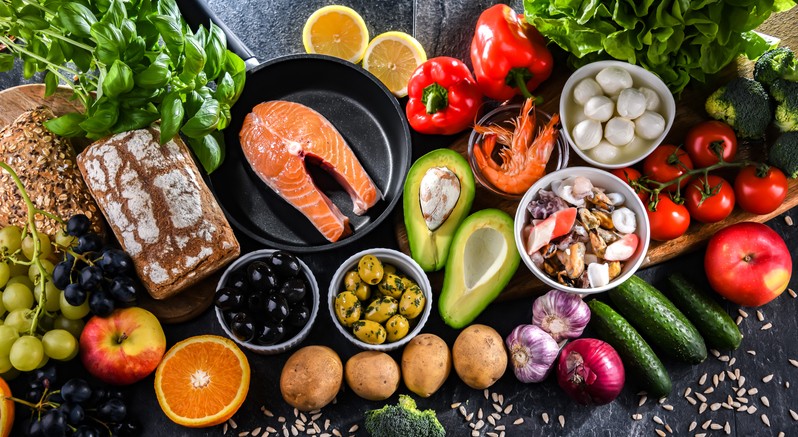
The MIND diet prioritizes whole grains, leafy green vegetables, berries, beans and nuts; encourages the consumption of other, non-leafy green vegetables, fish, seafood, poultry and olive oil; allows for limited consumption of red meat and wine; and limits the consumption of fast food, fried food, butter, margarine, pastries and sweet foods such as candy.
"What I like about the MIND diet is that it is more about what you should be eating and less about what you should not be eating," lead author Sawyer, MD, assistant professor in the Department of Neurology & Rehabilitation Medicine in UC's College of Medicine and a UC Health physician, told Newsweek. "As someone who enjoys food, I would much rather add a dark-green leafy salad with nuts, berries, beans and an olive oil-based dressing to my diet than severely limit what I should not be eating."
The research, published in the journal Neurology, followed more than 14,000 people over approximately 10 years. Researchers found those that ate a diet more closely aligned with MIND were less likely to experience cognitive impairment. Those whose cognition did get worse were more likely to experience a slower decline if they adhered to a MIND-adjacent style of eating.
This association was more pronounced among women and Black people than men and white people.
"Any medical intervention—diet, lifestyle or medication—should be adequately addressed in diverse populations," Sawyer said. "Race is often a surrogate marker for genetic differences, epigenetic differences and cultural differences which can result in different outcomes."
Read the U.S. News & World Report article, originally published on Health Day.
Featured photo at top of foods that are part of the Mediterranean diet. Photo/monticelllo/iStock.
Related Stories
‘Designer drug’ shows early neuroprotective signal in acute ischemic stroke
October 28, 2025

Medscape highlighted new trial results led by the University of Cincinnati's Eva Mistry that found an experimental drug shows promise in protecting injured brain cells for patients with acute ischemic stroke.
UC Board votes to fund design for YMCA renovation
October 28, 2025
At its October 28, 2025 meeting, the University of Cincinnati Board of Trustees approved $5 million in funding to complete all design and pre-construction services required to renovate the interior of a former YMCA building located at 270 Calhoun Street.
Is menstrual fluid ‘the most overlooked opportunity’ in women’s health?
October 27, 2025

The Guardian recently reported that period blood has long been thought of as ‘stinky and useless’, but startups are exploring using the fluid to test for a wide range of health conditions — including endometriosis.