First low FODMAP–Mediterranean diet comparison reveals clear winner
UC gastroenterologist provides insights on results of recent study

The low-FODMAP diet offers greater relief in people with symptoms of diarrhea or mixed subtypes of irritable bowel syndrome compared to the Mediterranean diet, according to a study published recently in the journal Neurogastroenterology & Motility.
MedCentral has reported that while the low-FODMAP diet remains the most evidence-based dietary therapy for irritable bowel syndrome (IBS), its comparative efficacy against the Mediterranean diet, an easier-to-follow nutritional alternative, remained untested in randomized controlled trials until now.
Low-FODMAP is an elimination diet, with FODMAP standing for fermentable, oligo-, di-, monosaccharides and polyols.
“The low-FODMAP diet targets specific fermentable carbohydrates known to trigger IBS symptoms, directly addressing underlying gut fermentation and gas production. Conversely, the Mediterranean diet emphasizes a more diverse intake of plant-based foods, which can promote gut health, better compliance, less restriction and may improve overall gastrointestinal function and inflammation,” explained Susan S. Kais, MD, board-certified gastroenterologist and assistant professor at the University of Cincinnati College of Medicine. Kais was not involved in the study.
However, she said, “The study’s respective methodology, including meal provision to enhance compliance and detailed clinical outcome tracking, truly strengthens the reliability of its findings."
Kais said the results suggest clinicians should consider the low-FODMAP diet as a primary dietary therapy for IBS patients.
“If it fails, direct patients to the Mediterranean diet, which could serve as a beneficial alternative — particularly for those who struggle with the restrictive nature of the low-FODMAP diet," said Kais.
She suggests that physicians work with nutritionists and dietitians to educate patients on dietary interventions, tailor eating patterns to each individual, establish solid relationships with ongoing support and follow-up, and utilize technology to help increase adherence through food-tracking apps or online platforms.
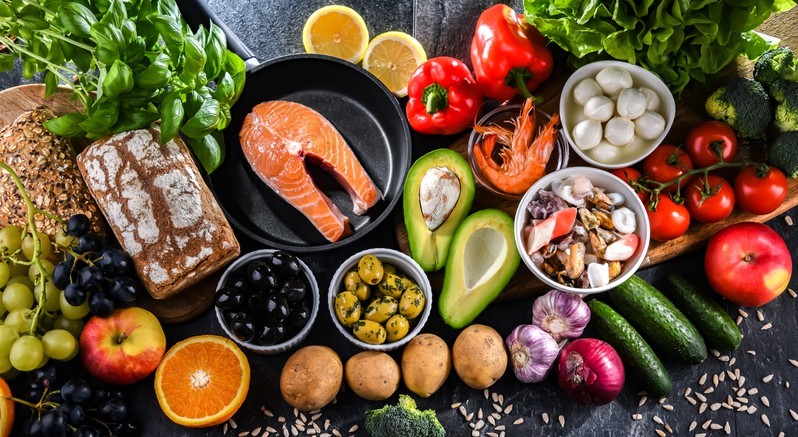
Featured image at top: A variety of foods that are part of the Mediterranean diet. Photo/iStock/monticelllo.
Related Stories
‘Designer drug’ shows early neuroprotective signal in acute ischemic stroke
October 28, 2025

Medscape highlighted new trial results led by the University of Cincinnati's Eva Mistry that found an experimental drug shows promise in protecting injured brain cells for patients with acute ischemic stroke.
UC Board votes to fund design for YMCA renovation
October 28, 2025
At its October 28, 2025 meeting, the University of Cincinnati Board of Trustees approved $5 million in funding to complete all design and pre-construction services required to renovate the interior of a former YMCA building located at 270 Calhoun Street.
Is menstrual fluid ‘the most overlooked opportunity’ in women’s health?
October 27, 2025

The Guardian recently reported that period blood has long been thought of as ‘stinky and useless’, but startups are exploring using the fluid to test for a wide range of health conditions — including endometriosis.