First North American study of medication errors co-authored by UC College of Pharmacy dean
Dean Neil MacKinnon, PhD, co-authors study that takes a first look at pharmacy errors...and saves.

Community pharmacies in the U.S. and Canada dispense millions of prescriptions each year. However, little is known about medication errors; how they happen and how to stop them. That’s because there is no standard medication error reporting system for community pharmacies across either country.
Nova Scotia, in fact, is the only province in Canada to have mandatory, anonymous reporting and is the subject of a large-scale data analysis titled "Quality-Related Events Reported by Community Pharmacies in Nova Scotia Over a 7-Year Period: a Descriptive Analysis” was published online today in the Canadian Medical Journal (CMAJOpen).
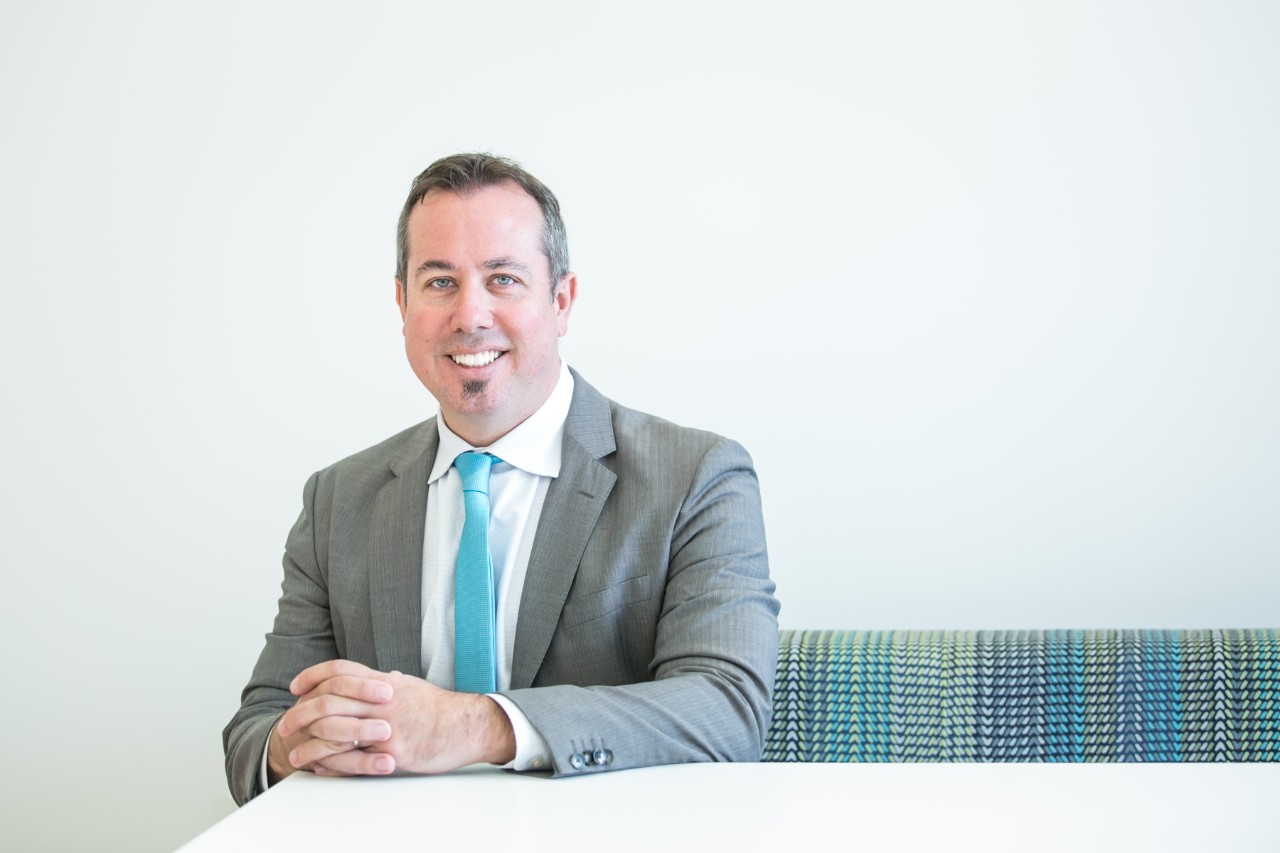
The study, says co-author Neil MacKinnon, PhD, dean of the University of Cincinnati’s James L. Winkle College of Pharmacy, now serves as a baseline to study medication errors.
"This analysis has provided information on the most common types of quality-related events in community pharmacies—information which was not previously available anywhere in North America,” he says, comparing pharmacy professionals to hockey goalies as "the last line of defense” in stopping any problems with prescriptions from reaching the patient.
The study, sponsored by Dalhousie University, found that out of 98,097 quality-related events, the most common were incorrect dose, frequency, incorrect quantity and incorrect drug. Of these events, 82 percent did not reach the patient. Less than 1 percent, 928 patients, were associated with patient harm, which includes allergic reactions.
Extrapolating the results to the 67,000 pharmacies in the U.S., MacKinnon says this would mean over 3.1 million medication errors in community pharmacies annually and over 29,000 patients who could be harmed annually.
"Just like a hockey goalie can’t stop all shots, there are some issues that regrettably reach the patient, but the Nova Scotia pharmacists are reporting and learning from these events,” says MacKinnon who is a strong proponent for mandatory error reporting in both Canada and the U.S.
To his knowledge, he says Nova Scotia is the only jurisdiction in North America, and perhaps the world, where community pharmacists and technicians are required to report these types of events, although several other provinces have, or are in the process, of implementing similar requirements.
"This study raises the question as to whether similar reporting requirements should apply to other health professionals outside of the hospital setting, such as physicians, dentists, nurse practitioners and others,” he says.
MacKinnon cites no conflicts of interest with the study.
Photo credit: UC/Colleen Kelley
Related Stories
‘Designer drug’ shows early neuroprotective signal in acute ischemic stroke
October 28, 2025

Medscape highlighted new trial results led by the University of Cincinnati's Eva Mistry that found an experimental drug shows promise in protecting injured brain cells for patients with acute ischemic stroke.
UC Board votes to fund design for YMCA renovation
October 28, 2025
At its October 28, 2025 meeting, the University of Cincinnati Board of Trustees approved $5 million in funding to complete all design and pre-construction services required to renovate the interior of a former YMCA building located at 270 Calhoun Street.
Is menstrual fluid ‘the most overlooked opportunity’ in women’s health?
October 27, 2025

The Guardian recently reported that period blood has long been thought of as ‘stinky and useless’, but startups are exploring using the fluid to test for a wide range of health conditions — including endometriosis.