UC Ph.D. candidate’s algorithm saves companies time and money


These images show the similarities between a high-fidelity simulation (left) and Ganti's machine learning prediction (right) for the fuel flow over an engine's cylinder. Image/Provided
A lot of time goes into making an engine. Before actually manufacturing the engine, engineers run designs through tests to ensure the engine will work once built. Between numerical and virtual analyses and experimental tests – processes that take weeks, sometimes months – time and money can start adding up.
“When designing modern day engineering devices, you have to look at whole spectrum of design criteria or design matrix, and that’s going to take months,” said University of Cincinnati aerospace engineering Ph.D. candidate Himakar Ganti. “Numerical simulations take a lot of time, and they are extremely high fidelity. As a designer, you don’t always need that.”
Ganti recently won a poster award at the University of Kentucky’s Commonwealth Computational Summit for his work in developing an algorithm that can serve as an alternative to these lengthy numerical simulations. Ganti’s “quick-and-dirty” calculation gives designers the data sets they need, without all the fine details.
“Sometimes a good emulator can be just as detailed as a high-fidelity simulation. You can use data from numerical simulations and build an algorithm off that,” said Ganti. “Then you can predict a model and get a designer a data set in a couple of days rather than months.”
To create this algorithm, Ganti started simple, reducing the engine to one component: The injection velocity. Understanding the flow when diesel fuel is injected to an engine can allow engine designers to optimize the flow and make the process more efficient. Ganti analyzed the data points in actual flow processes simulated experiments and then developed the general framework of an algorithm to predict these same flows.

This chart shows the similarities between a high-fidelity simulation (left) and Ganti's machine learning prediction (right) of a diesel jet fuel injection. Image/Provided
Ganti used his algorithm to predict the fuel flow of an engine within 5 percent of a simulated experiment. This is practical data that engineers could use when tweaking their designs without having to wait for the time-consuming numerical simulations.
Ganti’s work doesn’t write off lengthy numerical simulations altogether. Once machines are down to their final details, for example, designers should run full simulations to validate everything before manufacturing, the most expensive part of the process. But Ganti also understands that time is money, and early in the design process, perfectly accurate simulations are not always necessary.
“When you’re doing numerical simulations, time is very important,” said Ganti. “If you can get same thing in shorter amount of time, that’s good. You can spend more time refining your design, which is most important before actually building it.”
Regardless of methods designers use, companies are always improving their machines to perform better, use less energy and emit less pollution. Ganti’s algorithm may ensure that these same companies can save time and money in the process.
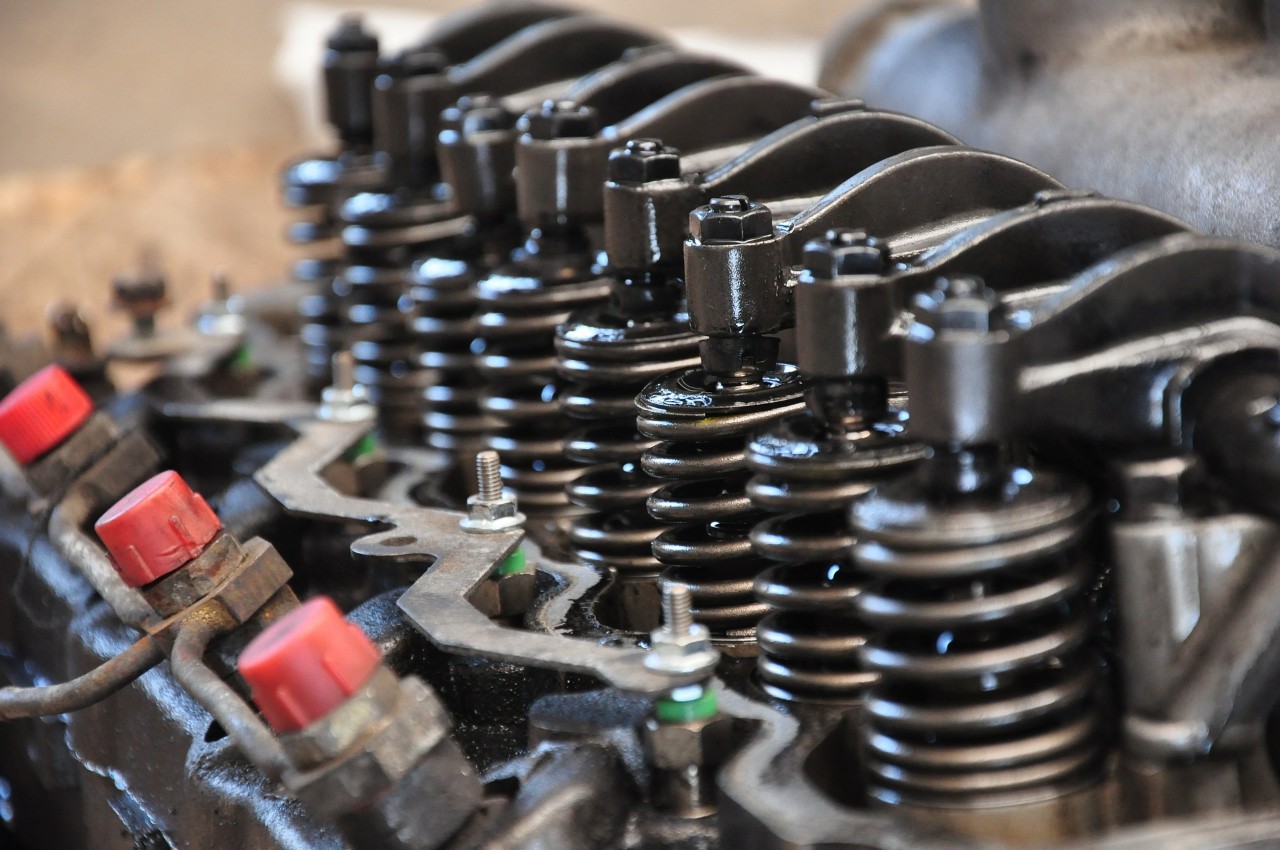
Featured image at top: A close-up of an engine. UC Ph.D. candidate Himakar Ganti's algorithm can predict the fuel flow of an engine in a fraction of the time of a numerical simulation. Photo/Krzysiek/Pixabay
Find your path
Interested in encouraging others as you find your path to academic success? If so, apply to UC as an undergrad or graduate inspirational Bearcat. As part of UC's Next Lives Here strategic direction, UC's students makes positive and real-world impact.
Related Stories
‘Designer drug’ shows early neuroprotective signal in acute ischemic stroke
October 28, 2025

Medscape highlighted new trial results led by the University of Cincinnati's Eva Mistry that found an experimental drug shows promise in protecting injured brain cells for patients with acute ischemic stroke.
UC Board votes to fund design for YMCA renovation
October 28, 2025
At its October 28, 2025 meeting, the University of Cincinnati Board of Trustees approved $5 million in funding to complete all design and pre-construction services required to renovate the interior of a former YMCA building located at 270 Calhoun Street.
Is menstrual fluid ‘the most overlooked opportunity’ in women’s health?
October 27, 2025

The Guardian recently reported that period blood has long been thought of as ‘stinky and useless’, but startups are exploring using the fluid to test for a wide range of health conditions — including endometriosis.