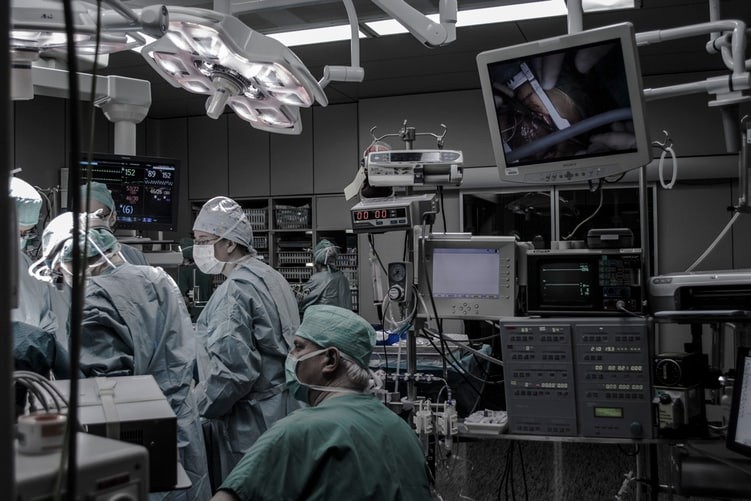
Cleveland.com: Ventilator shortage during coronavirus? 3-D printing could save lives
UC anesthesiologist discusses ventilators

Imagine printing a three-dimensional piece of plastic that could help save a coronavirus patient’s life. 3-D printing is one solution proposed to address an expected shortage of ventilators, machines that keep patients whose lungs are severely damaged alive. Experts are expecting a shortages of ventilators as the number of people impacted by the coronavirus pandemic grows in the U.S.
Ventilators work through a breathing tube inserted into a person’s windpipe. The machine inflates the lungs with air and then deflates the lungs, removing carbon dioxide. A medical professional uses a computer to control the amount of pressure placed on the lungs and the amount of oxygen.
Coronavirus patients are at risk of pneumonia and acute respiratory distress syndrome, which has a high mortality rate. Dr. Suzanne Bennett, an associate professor at the UC College of Medicine and an anesthesiologist at UC Health, discussed the workings of ventilators.
A traditional ventilator costs about $25,000 to $50,000. Bennett said some of the “bells and whistles" on a hospital-grade ventilator help medical professionals operate the machine effectively, and reduce the workload for respiratory therapists. With a shortage, respiratory therapists would be spread thin.
“I think all of us are concerned with the safety of that patient in that situation,” she said.
Related Stories
‘Designer drug’ shows early neuroprotective signal in acute ischemic stroke
October 28, 2025

Medscape highlighted new trial results led by the University of Cincinnati's Eva Mistry that found an experimental drug shows promise in protecting injured brain cells for patients with acute ischemic stroke.
Is menstrual fluid ‘the most overlooked opportunity’ in women’s health?
October 27, 2025

The Guardian recently reported that period blood has long been thought of as ‘stinky and useless’, but startups are exploring using the fluid to test for a wide range of health conditions — including endometriosis.
Blood Cancer Healing Center a national model for collaborative design and construction
October 27, 2025
Representatives from the University of Cincinnati Cancer Center, UC Health, Champlin | EOP and Skanska shared lessons learned and best practices for designing and constructing comprehensive health care facilities following the opening of the Cancer Center’s Blood Cancer Healing Center.