UC researchers study processes that cause breast cancer recurrence, spread
National Cancer Institute grant allows researchers to look at targeted treatments for breast cancer

One in eight women will be diagnosed with breast cancer in their lifetimes. Recurrence and spread are the biggest contributors to the death of these women.
That’s why Susan Waltz, professor in the UC department of cancer biology, is teaming up with other researchers at UC, Cincinnati Children’s Hospital Medical Center and the University of Kentucky to study the processes that cause these events to occur — and ways to both target and stop them.
The National Cancer Institute recently awarded this collaborative team a $500,000 yearly grant for the next five years to do just that.

Susan Waltz, professor in the UC department of cancer biology. Photo credit: Colleen Kelley/UC Creative + Brand
“The focus of this grant is understanding why some breast cancers come back after initial treatment and metastasize and others don’t,” says Waltz, the principal investigator on the study. “We identified two genes (RON and DEK) which are both found in human breast cancers. When both of these genes combined are seen in breast cancers, they are highly predictive of the cancers recurring and spreading.”
She says the teams are trying to uncover reasons these genes make breast cancer so aggressive and discover whether or not this knowledge can be used to predict which tumors are more likely to come back.
“We hope this will help us identify new vulnerabilities in these cancers — an Achilles’ heel, if you will — that can be used for the treatment of these aggressive cancers,” she says. “Our new data suggest that these genes rewire breast cancer cells to support unique energy needs of the cells by increasing cholesterol and glucose use required for tumors to grow and spread.
“In this study, we hope to map, at high resolution at the atomic level, the unique energy network driven by these two genes, with the goal of using this information to identify key nutrients that might both predict and be used to block breast cancers from coming back or metastasizing,” Waltz added.
“This could provide new ways to identify and treat potentially aggressive breast cancers at early stages, increasing survival and improving lives.”
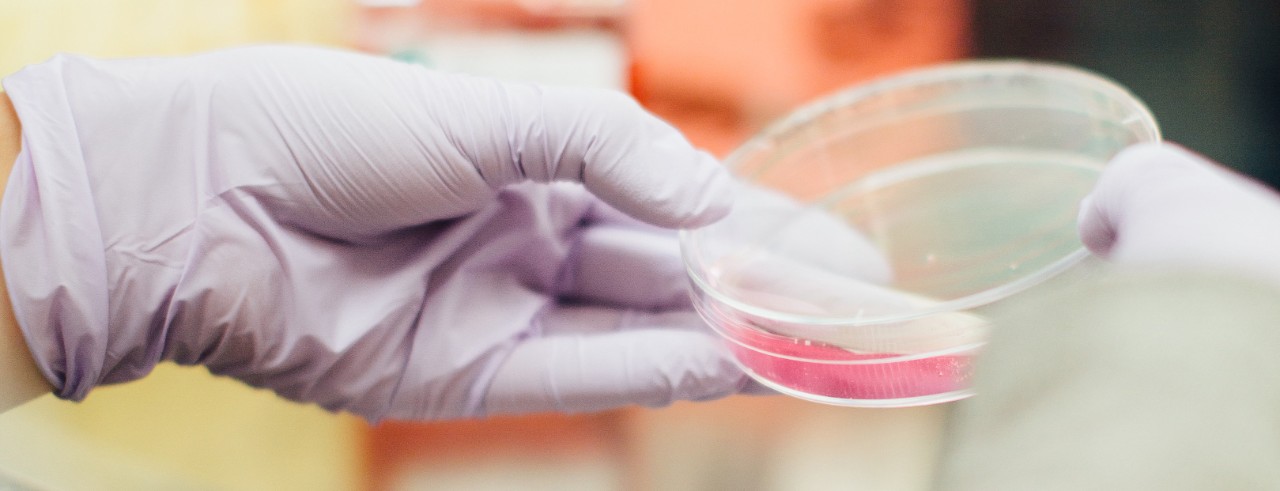
Featured photo courtesy of Drew Hays/Unsplash
Next Lives Here
The University of Cincinnati is classified as a Research 1 institution by the Carnegie Commission and is ranked in the National Science Foundation's Top-35 public research universities. UC's graduate students and faculty investigate problems and innovate solutions with real-world impact. Next Lives Here.
Related Stories
‘Designer drug’ shows early neuroprotective signal in acute ischemic stroke
October 28, 2025

Medscape highlighted new trial results led by the University of Cincinnati's Eva Mistry that found an experimental drug shows promise in protecting injured brain cells for patients with acute ischemic stroke.
Meet the young talent reshaping Cincinnati’s startup scene
October 28, 2025
Five University of Cincinnati students were honored for their impactful entrepreneurship on the Cincy Inno Under 25 list. We’ll explain what makes each student – and their startup – stand out.
Is menstrual fluid ‘the most overlooked opportunity’ in women’s health?
October 27, 2025

The Guardian recently reported that period blood has long been thought of as ‘stinky and useless’, but startups are exploring using the fluid to test for a wide range of health conditions — including endometriosis.