WCPO: How to protect your smaller trees from cicadas
UC horticulture professor shares planting tips as cicada season approaches

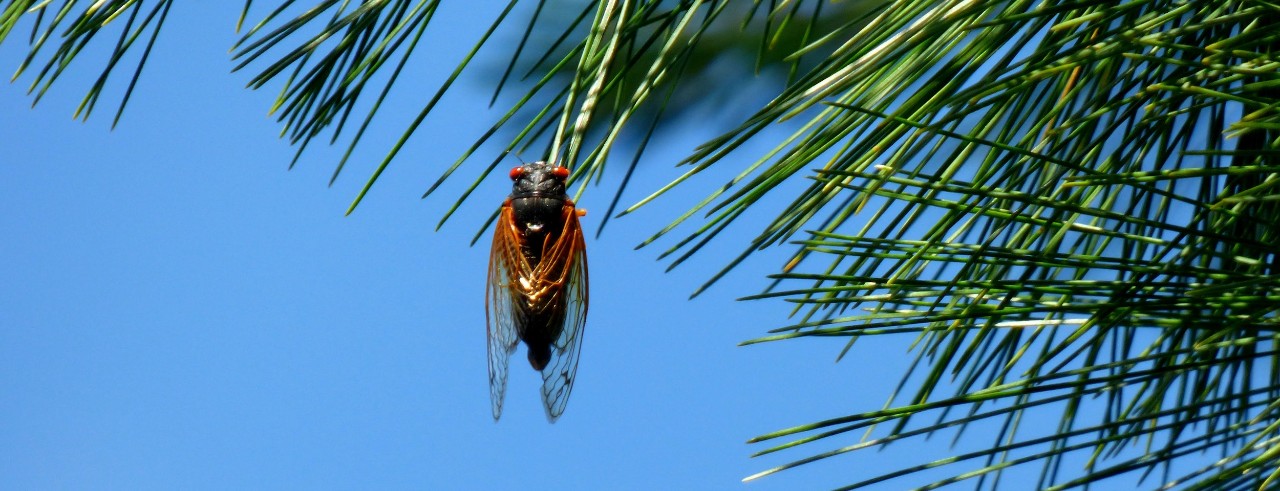
Millions of cicadas are expected to emerge from the ground in the coming weeks, but you might want to turn your eyes to your trees.
University of Cincinnati Associate Professor Sue Trusty teaches horticulture in the College of Design, Architecture, Art, and Planning. She told WCPO that smaller trees with thin branches are prone to “tree flagging” during cicada season.
“If it's a very small tree and a lot of cicadas are laying all over it, then that can really damage the tree because it's damaging a lot of that live tissue on the tree,” Trusty said.
She said the cicadas aren’t just hanging out on these trees.
“Flagging is actually when your normal branch and just locks down. This is where that lady cicada has laid her eggs and it just flops down and then the leaves turn all brown because they're not getting water and nutrients that they need,” she said.
Read the full story from WCPO.
Featured image at top: Laura Gilchrist/Unsplash
Related Stories
‘Designer drug’ shows early neuroprotective signal in acute ischemic stroke
October 28, 2025

Medscape highlighted new trial results led by the University of Cincinnati's Eva Mistry that found an experimental drug shows promise in protecting injured brain cells for patients with acute ischemic stroke.
Is menstrual fluid ‘the most overlooked opportunity’ in women’s health?
October 27, 2025

The Guardian recently reported that period blood has long been thought of as ‘stinky and useless’, but startups are exploring using the fluid to test for a wide range of health conditions — including endometriosis.
What is squalane, and how does it work to moisturize skin?
October 27, 2025

The University of Cincinnati's Kelly Dobos was featured in a Women's Health article discussing squalane, an ingredient being increasingly used in moisturizing skincare products.