What is squalane, and how does it work to moisturize skin?
UC expert featured in Women's Health article

The University of Cincinnati's Kelly Dobos was featured in a Women's Health article discussing squalane, an ingredient being increasingly used in moisturizing skincare products.
Dobos explained squalane is the stable version of squalene, a oil found naturally in human skin, shark liver and plants.
“Squalane is the hydrogenated form of squalene. Adding hydrogen atoms makes it much more stable,” said Dobos, a cosmetic chemist and adjunct instructor in UC's Cosmetic Science Program in the James L. Winkle College of Pharmacy. The stability means the final product can have a longer shelf life.
Part of the reason squalane is becoming more popular is simply that it feels nice on the skin.
“It’s silky and lightweight, not as heavy as things like petrolatum but thicker than other natural oils," Dobos said. "You’re getting all of those moisturizing properties but with a really nice skin feel."
Read the Women's Health article.
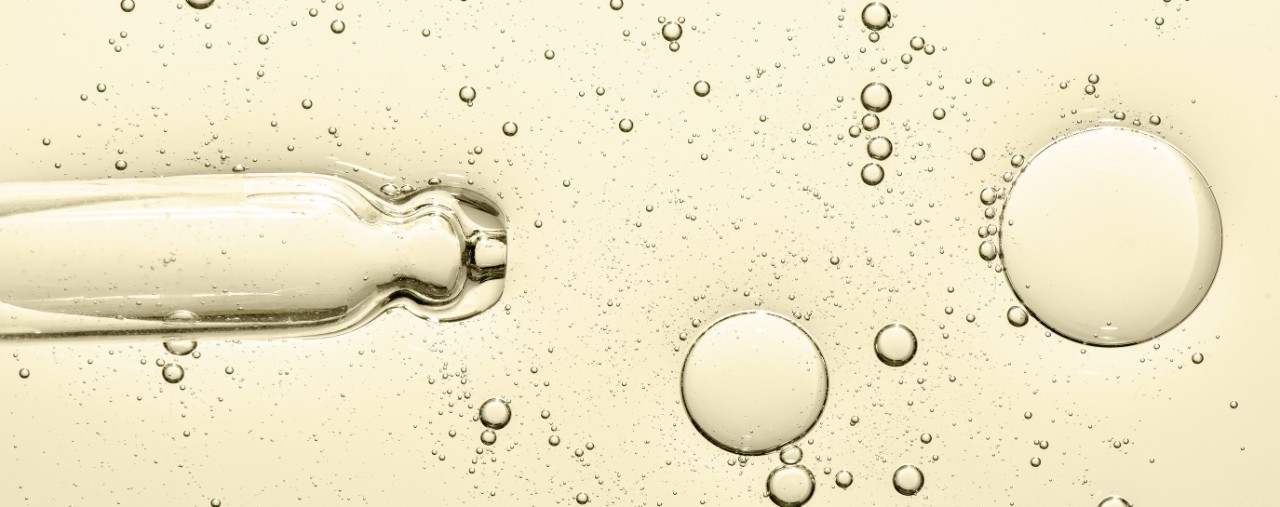
Featured photo at top: A close-up image of a skin moisturizer and pipette. Photo/Andrey Mitrofanov/iStock Photo.
Related Stories
Is it time to worry about benzene?
December 6, 2024

The University of Cincinnati's Kelly Dobos was featured in a New York Times article discussing the latest knowledge on the effects of the carcinogen benzene in personal care products.
How smell brings back memories faster than other senses
August 19, 2025
The University of Cincinnati's Kelly Dobos was featured in a Personal Care Insights article discussing why humans are attracted to pleasant smells for a mix of biological, psychological and cultural reasons and safety guidance for the industry when creating fragrance.
The science behind sulfate-free cosmetics
January 28, 2025

Cosmetics Design USA highlighted research coauthored by the University of Cincinnati's Stephen Herman that examined advancements in the development of sulfate-free cosmetics products.