Phys.Org: How can computer chips predict the future of gene synthesis?

Phys.Org and other science outlets highlighted research by the University of Cincinnati that used the evolution of the computer chip to predict advances in the field of synthetic biology.
UC College of Engineering and Applied Science student Joseph Riolo, the paper's lead author, and distinguished research professor Andrew Steckl, an Ohio Eminent Scholar, said complex computer code is a useful comparison to examine how we might synthesize new genetic code.
"No analogy is perfect. DNA doesn't meet certain definitions of digital code," Riolo said. "But there are a lot of ways the genome and software code are comparable."
The study was published in the Nature journal Scientific Reports.
By using computer chip development as a guide, Steckl said we can infer the speed and costs of producing similar synthetic life might follow a similar trajectory as the performance and cost of electronics over time.
The study compared the number of bytes of code found in the software systems of luxury cars, fighter planes, and smart phone operating systems to the base pairs of genes found in a virus, a parasite and a human being.
Perhaps surprisingly, people have a far less complex genome than some other living things, including the marbled lungfish and a flowering perennial found in Japan.
UC's comparison of bytes to base pairs found comparable complexity.
"This combination of surmountable complexity and moderate cost justifies the academic enthusiasm for synthetic biology and will continue to inspire interest in the rules of life," the study concluded.
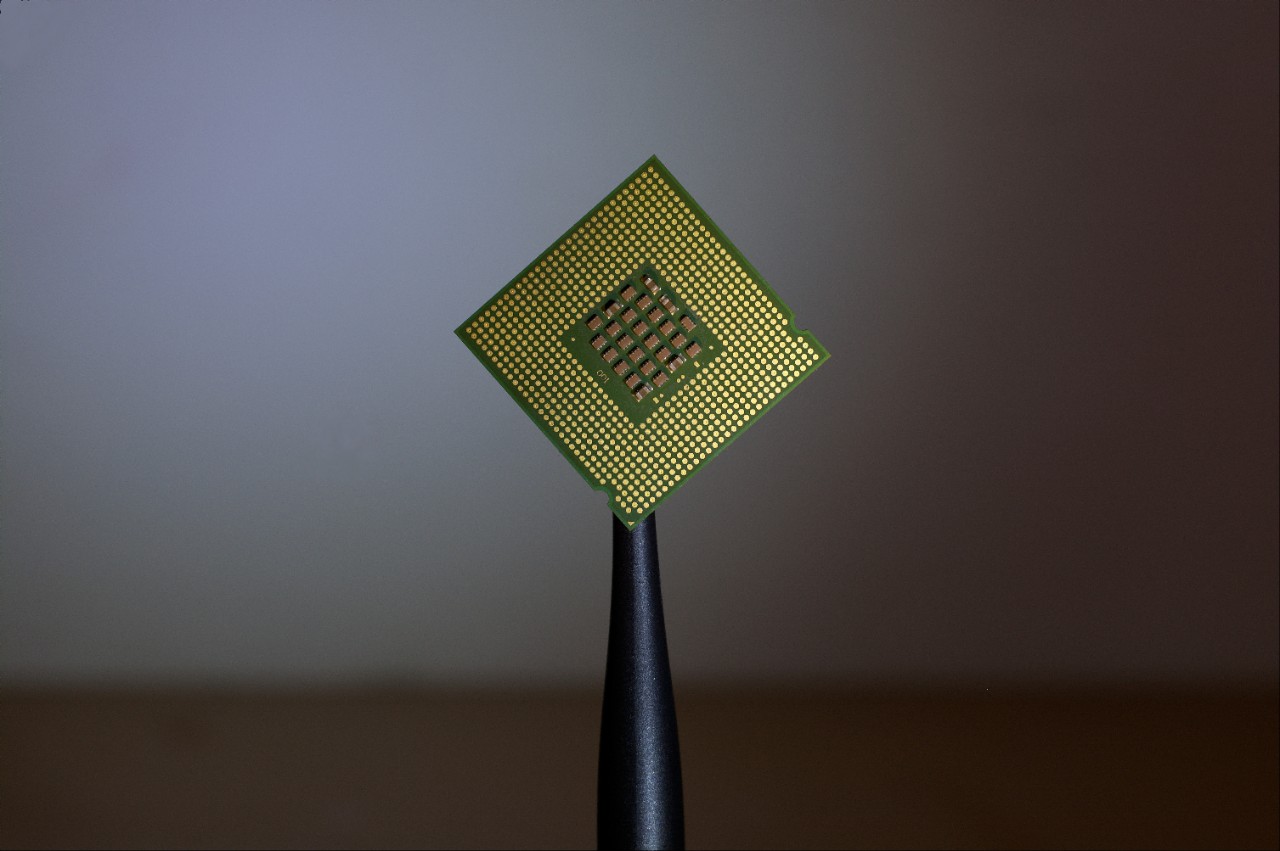
Featured image at top: A computer chip. Photo/Brian Kostiuk/Unsplash
More UC engineering research in the news

UC senior research associate Daewoo Han holds up electrospun fiber used in textiles and medicine. Photo/Joseph Fuqua II/UC Creative + Brand
Related Stories
‘Designer drug’ shows early neuroprotective signal in acute ischemic stroke
October 28, 2025

Medscape highlighted new trial results led by the University of Cincinnati's Eva Mistry that found an experimental drug shows promise in protecting injured brain cells for patients with acute ischemic stroke.
Is menstrual fluid ‘the most overlooked opportunity’ in women’s health?
October 27, 2025

The Guardian recently reported that period blood has long been thought of as ‘stinky and useless’, but startups are exploring using the fluid to test for a wide range of health conditions — including endometriosis.
What is squalane, and how does it work to moisturize skin?
October 27, 2025

The University of Cincinnati's Kelly Dobos was featured in a Women's Health article discussing squalane, an ingredient being increasingly used in moisturizing skincare products.