Akron Beacon Journal: How each side of the abortion debate is preparing for life after Roe v. Wade in Ohio
UC College of Law faculty member weighs in on possible changes to abortion law

The U.S. Supreme Court's landmark 1973 Roe v. Wade ruling is getting another major review and close court observers are bracing for what life could look like if the high court overturns a constitutional right to abortion.
The Akron Beacon Journal reports that 26 states plan to ban abortion in some form if the Supreme Court OKs a ban on abortion passed by the state of Mississippi.
Jenn Dye, PhD, director of the Nathaniel R. Jones Center for Race, Gender, and Social Justice at the UC College of Law, is among abortion-rights advocates who fear marginalized groups with higher rates of unintended pregnancies would be disproportionately impacted financially, medically and socially if the U.S. Supreme Court overturns Roe v. Wade. It would mean remaining abortion clinics in Ohio, including the only facilities in Dayton and Cincinnati, would be forced to close.
“Not only are they going to be disproportionately impacted because of the access to abortions, but a lot of the clinics providing abortions are oftentimes” the primary source of birth control, health screenings and other medical services, Dye told the Akron Beacon Journal.
"So, when those clinics close … I would not be surprised if we saw a … decline in health care in general for women," said Dye to the Akron Beacon Journal. "And it's going to disproportionately impact people of color, women of color. And that's going to be tragic.”
Abortion-rights groups have been sounding the alarm that people without the means to leave Ohio for legal abortions in other states will turn to methods of ending pregnancies that frequently killed or maimed women before Roe.
“And, you know,” said Dye, “I think that is a more valid fear than what people want to give credit.”
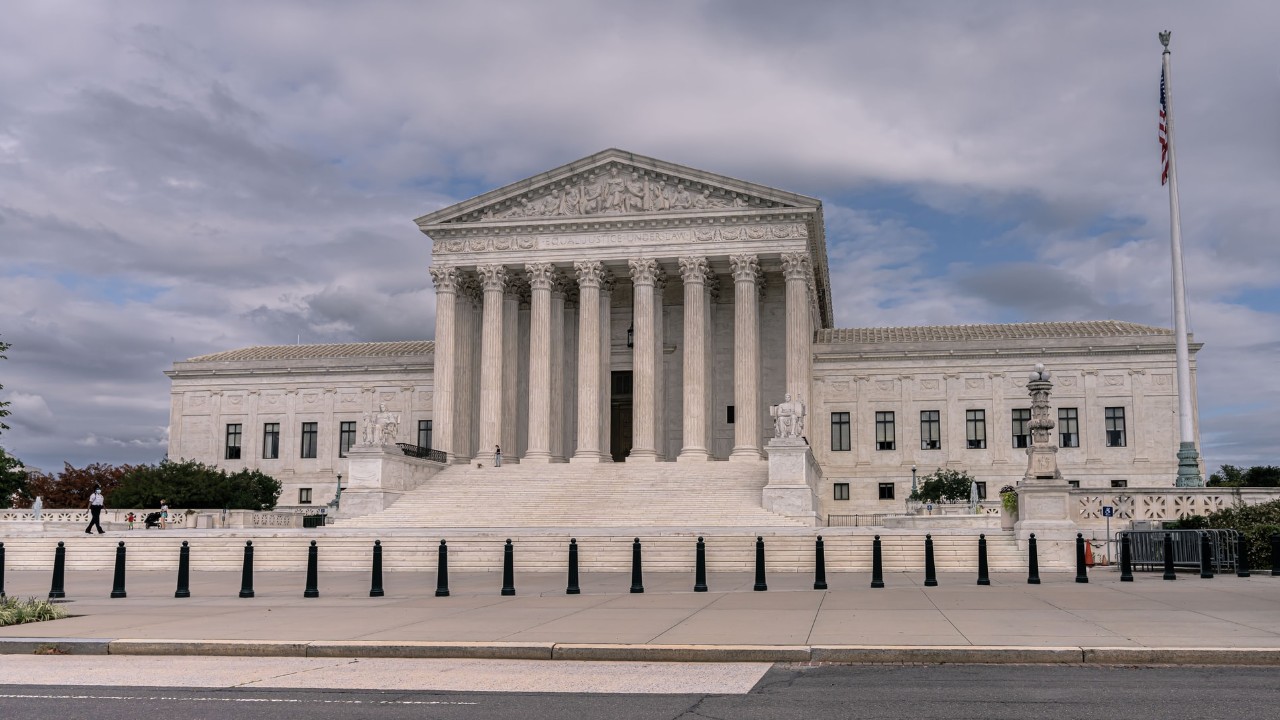
Featured image of the U.S. Supreme Court is courtesy of Unsplash.
Related Stories
‘Designer drug’ shows early neuroprotective signal in acute ischemic stroke
October 28, 2025

Medscape highlighted new trial results led by the University of Cincinnati's Eva Mistry that found an experimental drug shows promise in protecting injured brain cells for patients with acute ischemic stroke.
Is menstrual fluid ‘the most overlooked opportunity’ in women’s health?
October 27, 2025

The Guardian recently reported that period blood has long been thought of as ‘stinky and useless’, but startups are exploring using the fluid to test for a wide range of health conditions — including endometriosis.
What is squalane, and how does it work to moisturize skin?
October 27, 2025

The University of Cincinnati's Kelly Dobos was featured in a Women's Health article discussing squalane, an ingredient being increasingly used in moisturizing skincare products.