Ozempic linked to lower Alzheimer's risk in people with Type 2 diabetes
UC expert comments on study to NBC News

The University of Cincinnati's Alberto Espay, MD, commented to NBC News on new research published Oct. 24 that found semaglutide, the active ingredient in Ozempic and Wegovy, appeared to reduce the risk of Alzheimer’s disease in people with Type 2 diabetes.
The new study compared semaglutide to seven other diabetes drugs, including metformin, insulin and older GLP-1 drugs, including liraglutide.
Researchers found that patients prescribed semaglutide had a significantly lower risk for Alzheimer’s disease than those who had taken one of the seven other diabetes drugs. The results were consistent across gender, age and weight.
Espay, who was not involved in the study, told NBC News more research is needed to determine if the drugs actually work against Alzheimer's. He noted previous early research showed similar positive effects for people who took drugs including statins or insulin, but none of those potential treatments panned out.
“Just as with statins, NSAIDs and insulin, we should be cautious about claiming semaglutide can treat or prevent Alzheimer’s based on this study alone,” Espay said.
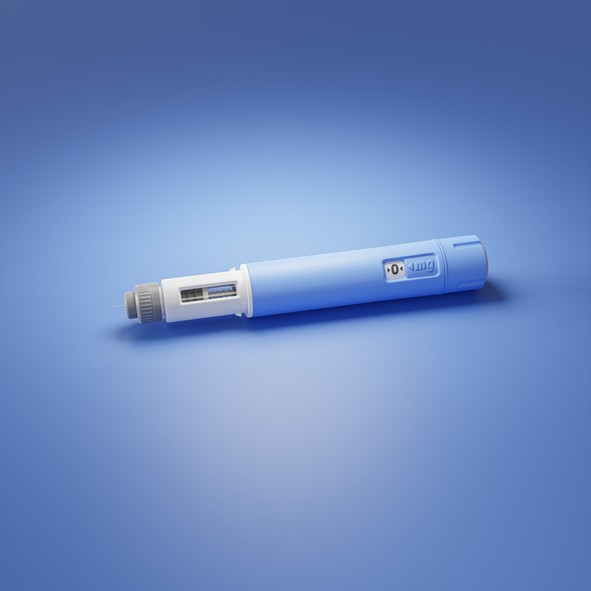
Featured photo at top of a semaglutide injection pen. Photo/aprott/iStock.
Related Stories
‘Designer drug’ shows early neuroprotective signal in acute ischemic stroke
October 28, 2025

Medscape highlighted new trial results led by the University of Cincinnati's Eva Mistry that found an experimental drug shows promise in protecting injured brain cells for patients with acute ischemic stroke.
UC Board votes to fund design for YMCA renovation
October 28, 2025
At its October 28, 2025 meeting, the University of Cincinnati Board of Trustees approved $5 million in funding to complete all design and pre-construction services required to renovate the interior of a former YMCA building located at 270 Calhoun Street.
Is menstrual fluid ‘the most overlooked opportunity’ in women’s health?
October 27, 2025

The Guardian recently reported that period blood has long been thought of as ‘stinky and useless’, but startups are exploring using the fluid to test for a wide range of health conditions — including endometriosis.