Orangutan's diet adapts to feast or famine
UC professor's work shines light on metabolic disorders like diabetes

Science writers highlighted a study by an international team of researchers led by Rutgers University that examined how orangutans adapt to changeable periods of feast or famine.
University of Cincinnati geosciences Professor Brooke Crowley contributed to the project that examined how orangutans maintain their weight by adjusting their diet during periods of bounty or scarcity.
The study was published in the journal Science Advances.
Orangutans reduce their physical activity during periods of fruit scarcity to conserve energy.
They rest more, go to sleep earlier, travel less and spend less time with other orangutans. This flexibility enables them to use body fat and protein for fuel when needed. They rebuild fat reserves and muscle when fruit becomes more available.
The study demonstrated the great apes' metabolic flexibility, which allows them to maintain their health in times of food stress.
“Understanding these adaptations can help us learn more about how humans can manage their diets and health,” said lead author Erin Vogel, a professor of anthropology at Rutgers University-New Brunswick. “It also highlights the importance of conserving orangutan habitats to ensure their survival.”
UC's Crowley uses tools such as strontium analysis to study the diets, habitat needs and movements of reclusive, endangered or long-extinct animals.
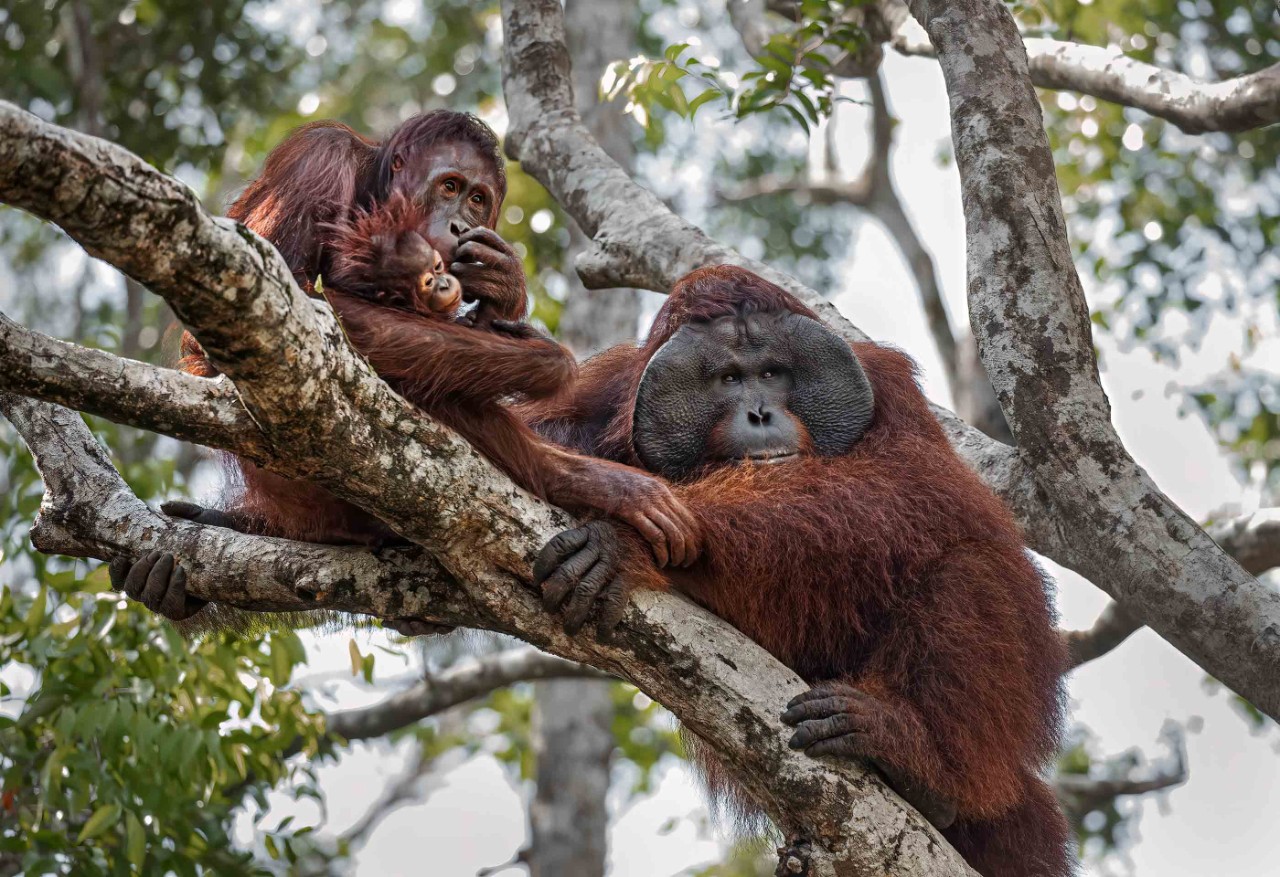
Featured image at top: Researchers discovered that orangutans have flexible metabolisms that allow them to withstand periods of food scarcity. Photo/Ilya Raskin

UC Professor Brooke Crowley teaches in geosciences and anthropology in UC's College of Arts and Sciences. Photo/Joseh Fuqua II/UC
Related Stories
‘Designer drug’ shows early neuroprotective signal in acute ischemic stroke
October 28, 2025

Medscape highlighted new trial results led by the University of Cincinnati's Eva Mistry that found an experimental drug shows promise in protecting injured brain cells for patients with acute ischemic stroke.
Is menstrual fluid ‘the most overlooked opportunity’ in women’s health?
October 27, 2025

The Guardian recently reported that period blood has long been thought of as ‘stinky and useless’, but startups are exploring using the fluid to test for a wide range of health conditions — including endometriosis.
What is squalane, and how does it work to moisturize skin?
October 27, 2025

The University of Cincinnati's Kelly Dobos was featured in a Women's Health article discussing squalane, an ingredient being increasingly used in moisturizing skincare products.