The New York Times: Riots long ago, luxury living today
UC faculty member speaks to the transformation of urban neighborhoods with scarred pasts

Rioting in the 1960s depressed the value of Black-owned property in central cities for years afterward. As a result, the racial gap in property values between white and Black homeowners widened more in cities with severe riots.
In a NYT article about the redevelopment and gentrification of urban properties, David Stradling, a professor of urban history at UC, points to Cincinnati’s Over-the-Rhine neighborhood as an example of development after the city's 2001 riots.
“Cincinnati winds up with a collection of 19th-century buildings out of neglect rather than by purposeful preservation.”
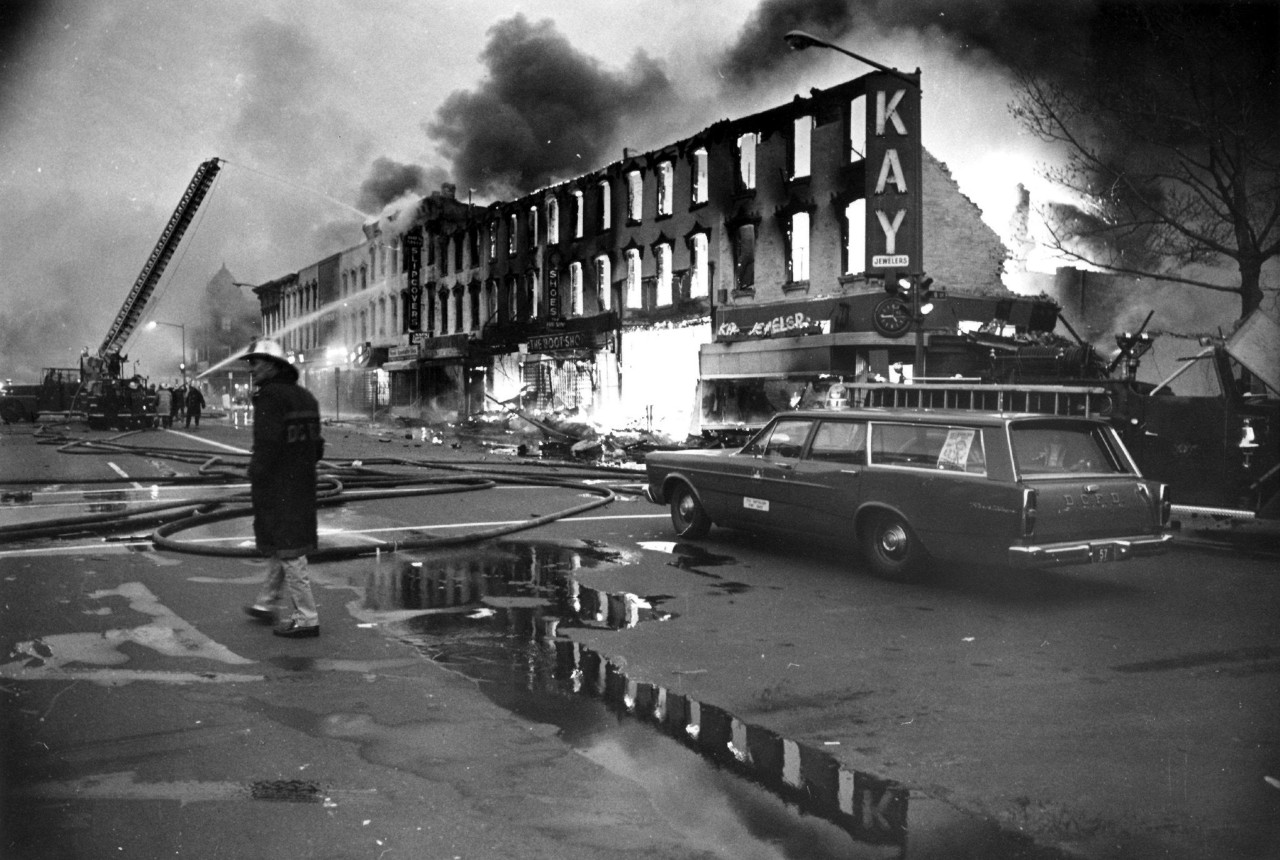
Featured image of Washington D.C. riots after the assination of MLK. Photo/Matthew Lewis/The Washington Post, via Getty Images
Impact Lives Here
The University of Cincinnati is leading public urban universities into a new era of innovation and impact. Our faculty, staff and students are saving lives, changing outcomes and bending the future in our city's direction. Next Lives Here.
Related Stories
‘Designer drug’ shows early neuroprotective signal in acute ischemic stroke
October 28, 2025

Medscape highlighted new trial results led by the University of Cincinnati's Eva Mistry that found an experimental drug shows promise in protecting injured brain cells for patients with acute ischemic stroke.
Is menstrual fluid ‘the most overlooked opportunity’ in women’s health?
October 27, 2025

The Guardian recently reported that period blood has long been thought of as ‘stinky and useless’, but startups are exploring using the fluid to test for a wide range of health conditions — including endometriosis.
What is squalane, and how does it work to moisturize skin?
October 27, 2025

The University of Cincinnati's Kelly Dobos was featured in a Women's Health article discussing squalane, an ingredient being increasingly used in moisturizing skincare products.