Singlecare: Can hand sanitizers or hand-washing kill the flu?
Dr. Carl Fichtenbaum says it's what you do with your hands when cleaning them that's important

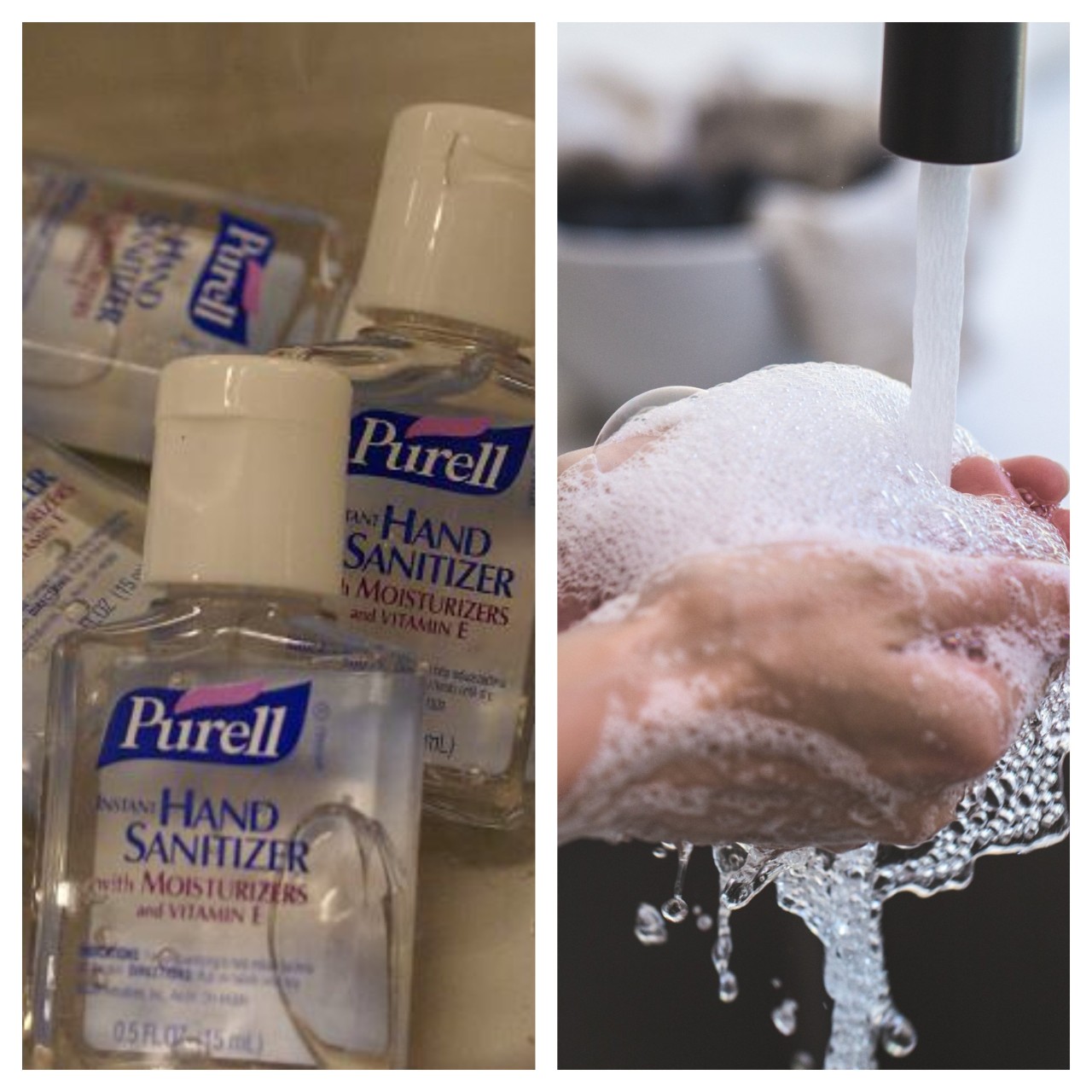
New research examines what is more effective against the flu: hand sanitizer or hand washing. The study found that when the flu virus is trapped in wet mucus, it can remain infectious for up to four minutes after exposure to hand sanitizer—in other words, much longer than you might have guessed. According to the study, hand-washing—even without soap and even when the infected mucus was wet—was, indeed, very effective in removing the flu virus. It eliminated it in just 30 seconds.

Dr. Carl Fichtenbaum of the Division of Infectious Diseases in the UC College of Medicine, in an interview with Singlecare, said "the fight wasn't fair." He says researchers didn’t study how hand sanitizer works when it’s rubbed into the skin, only when it was dabbed onto fingers, adding "hand rubbing is the critical part of all this."
Related Stories
‘Designer drug’ shows early neuroprotective signal in acute ischemic stroke
October 28, 2025

Medscape highlighted new trial results led by the University of Cincinnati's Eva Mistry that found an experimental drug shows promise in protecting injured brain cells for patients with acute ischemic stroke.
Is menstrual fluid ‘the most overlooked opportunity’ in women’s health?
October 27, 2025

The Guardian recently reported that period blood has long been thought of as ‘stinky and useless’, but startups are exploring using the fluid to test for a wide range of health conditions — including endometriosis.
What is squalane, and how does it work to moisturize skin?
October 27, 2025

The University of Cincinnati's Kelly Dobos was featured in a Women's Health article discussing squalane, an ingredient being increasingly used in moisturizing skincare products.