Tech Xplore: UC research explores security of smart speakers
UC is investigating the vulnerabilities of these ubiquitous devices

TechXplore examined research by computer scientists at the University of Cincinnati to improve security of smart speakers such as Amazon's Alexa and Google Home.
UC's College of Engineering and Applied Science assistant professor Boyang Wang received a two-year grant of $175,000 from the National Science Foundation to examine vulnerabilities that could allow hackers to take command of these ubiquitous speakers.
"People use them every day. It's convenient. On the other hand, we don't have a good understanding of the vulnerabilities they have," Wang said.
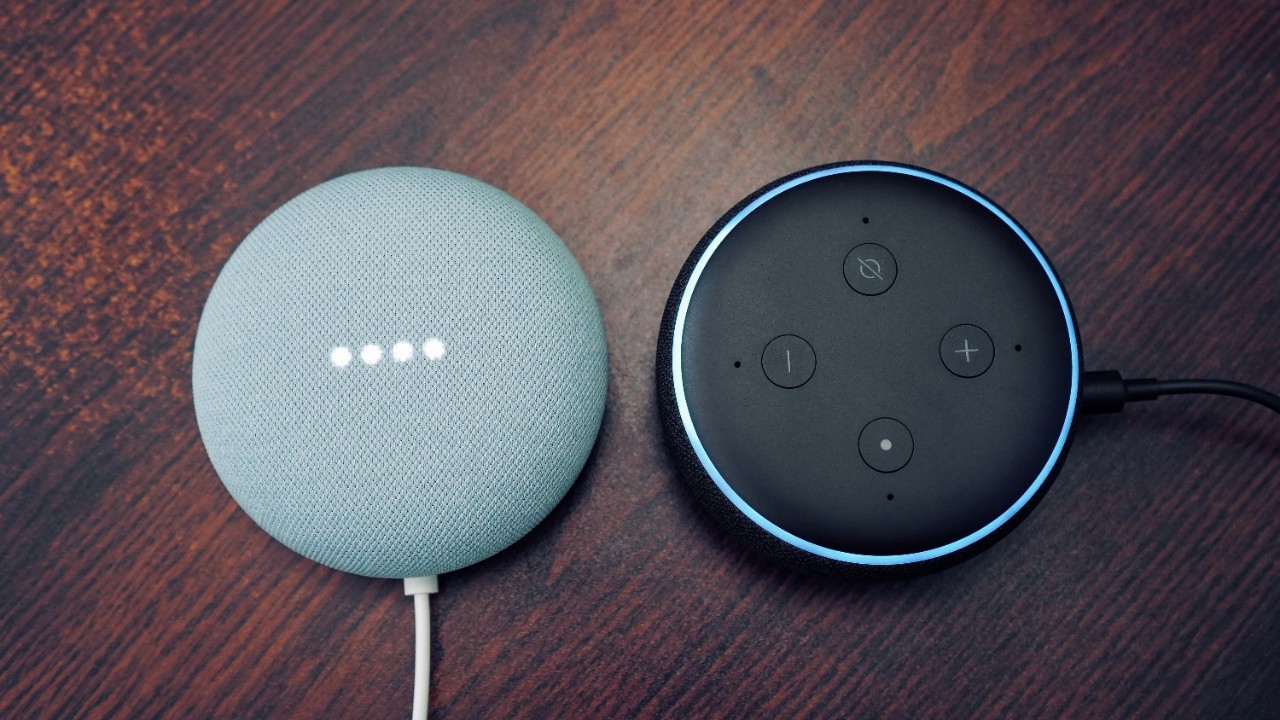
Featured image at top: More than 157 million smart speakers are found in homes and offices in the United States. Photo/Yasin Hasan/Unsplash
More CEAS research in the news
7th Space: Researchers examine security of voice-activated speakers
Bioengineer.org: UC to use NSF grant to study security of smart speakers
Science Magazine: Hey, Alexa, who else is listening right now?
Related Stories
‘Designer drug’ shows early neuroprotective signal in acute ischemic stroke
October 28, 2025

Medscape highlighted new trial results led by the University of Cincinnati's Eva Mistry that found an experimental drug shows promise in protecting injured brain cells for patients with acute ischemic stroke.
Is menstrual fluid ‘the most overlooked opportunity’ in women’s health?
October 27, 2025

The Guardian recently reported that period blood has long been thought of as ‘stinky and useless’, but startups are exploring using the fluid to test for a wide range of health conditions — including endometriosis.
What is squalane, and how does it work to moisturize skin?
October 27, 2025

The University of Cincinnati's Kelly Dobos was featured in a Women's Health article discussing squalane, an ingredient being increasingly used in moisturizing skincare products.