WVXU: Is it time to stop 'falling back'? Sleep experts say yes
UC expert says the biggest reason to stay on standard time all year is school safety

Daylight saving time ended on November 1, and WXVU-FM turned to Ann Romaker, MD, of the Division of Pulmonary, Critical Care and Sleep Medicine in the UC College of Medicine for her expertise on the impact the time change has on society.

Ann Romaker, MD, of the Division of Pulmonary, Critical Care and Sleep Medicine. Photo Credit/Colleen Kelley/UC Creative + Brand
When the country switches to daylight saving time in the spring, Romaker says research shows there's "more inflammatory chemicals running loose in the body. There's lower tone of the vagus nerve, which is the one that controls the heart and swallowing so there's a higher heart rate and higher blood pressure and reduced sleep during daylight saving time in the summer," she says. "In the fall when you go backwards, that's been associated with mood disturbances and increased rates of suicide; traffic accidents increase in the first few days after the change, and fatal crashes increase 6% in the United States."
She also said the school safety is the biggest reason to stay on standard time year-round.
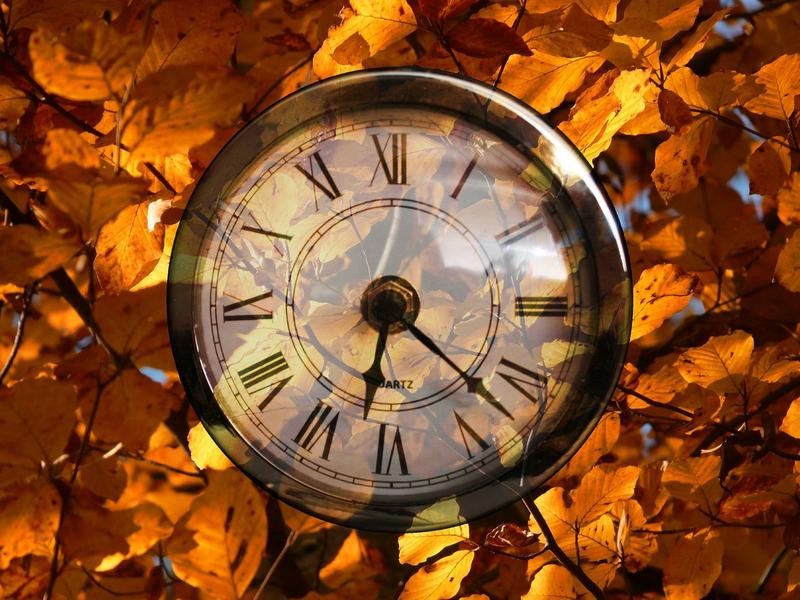
Lead image: Gerd Altmann/Pixabay
Impact Lives Here
The University of Cincinnati is leading public urban universities into a new era of innovation and impact. Our faculty, staff and students are saving lives, changing outcomes and bending the future in our city's direction. Next Lives Here.
Stay up on all UC's COVID-19 stories, read more #UCtheGood content, or take a UC virtual visit and begin picturing yourself at an institution that inspires incredible stories.
Related Stories
‘Designer drug’ shows early neuroprotective signal in acute ischemic stroke
October 28, 2025

Medscape highlighted new trial results led by the University of Cincinnati's Eva Mistry that found an experimental drug shows promise in protecting injured brain cells for patients with acute ischemic stroke.
Is menstrual fluid ‘the most overlooked opportunity’ in women’s health?
October 27, 2025

The Guardian recently reported that period blood has long been thought of as ‘stinky and useless’, but startups are exploring using the fluid to test for a wide range of health conditions — including endometriosis.
What is squalane, and how does it work to moisturize skin?
October 27, 2025

The University of Cincinnati's Kelly Dobos was featured in a Women's Health article discussing squalane, an ingredient being increasingly used in moisturizing skincare products.