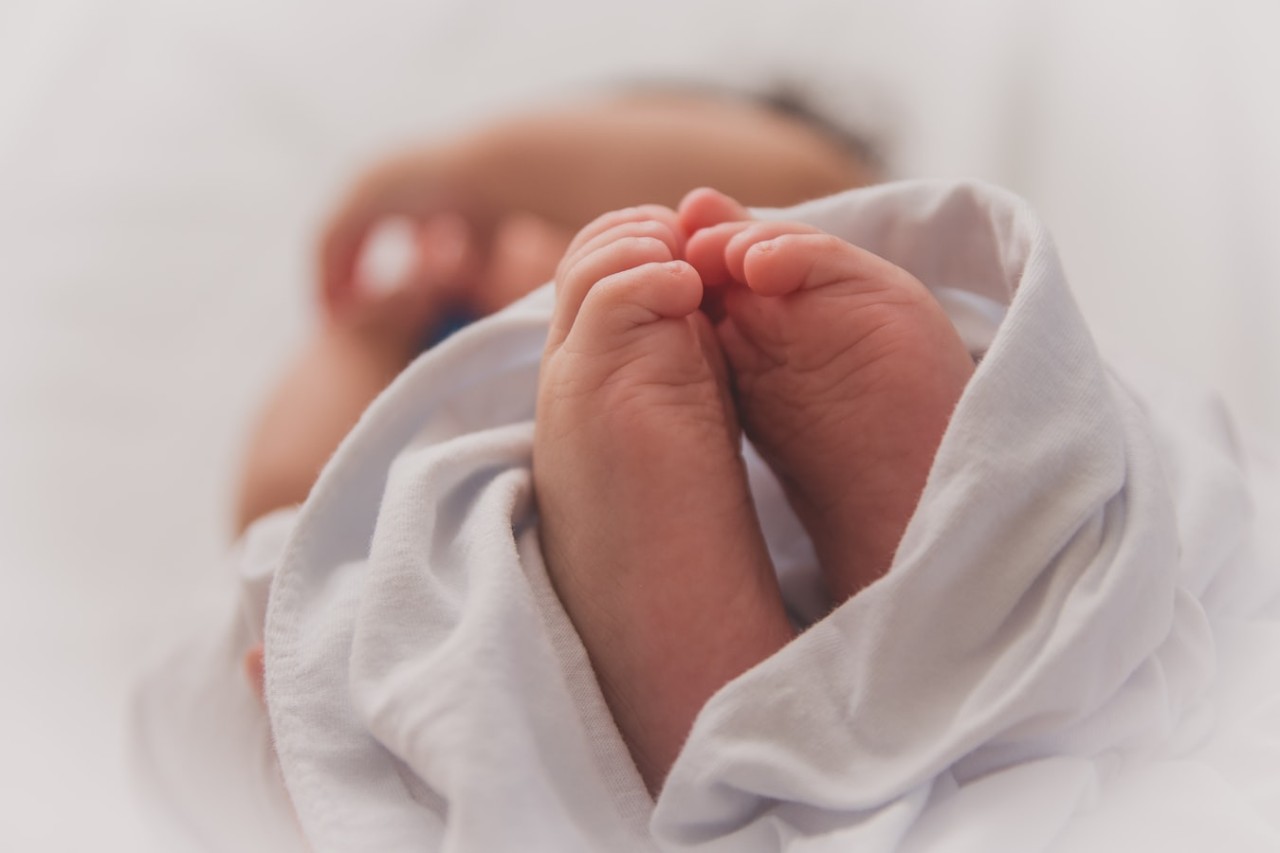
MSN: Mother's stress levels during pregnancy could increase risk of illness in children
UC researcher says host of conditions that start in childhood linked to DNA mutation and stress

MSN reported research findings from University of Cincinnati researcher Kelly Brunst, PhD, that indicate a mother’s stress levels during pregnancy could increase the risk of their unborn child developing illnesses later in life. Brunst, an assistant professor in the UC College of Medicine, says psychosocial factors in mothers that create stress may also be mutating a child’s mitochondrial DNA and could be precursor to a host of diseases including asthma, obesity, attention deficit hyperactivity disorder and autism.
"We don't just wake up one day and have asthma or attention deficit hyperactivity disorder," Brunst is quoted in MSN. "The programming effects resulting from environmentally induced shifts occur over time and likely start during gestation at the molecular and cellular level. These shifts alter physiological states that likely play a role in who is going to go on and develop adverse health outcomes.”
Read the full MSN story online.
The research was also picked up by other media:
Impact Lives Here
The University of Cincinnati is leading public urban universities into a new era of innovation and impact. Our faculty, staff and students are saving lives, changing outcomes and bending the future in our city's direction. Next Lives Here.
Stay up on all UC's COVID-19 stories, or take a UC virtual visit and begin picturing yourself at an institution that inspires incredible stories.
Related Stories
‘Designer drug’ shows early neuroprotective signal in acute ischemic stroke
October 28, 2025

Medscape highlighted new trial results led by the University of Cincinnati's Eva Mistry that found an experimental drug shows promise in protecting injured brain cells for patients with acute ischemic stroke.
Is menstrual fluid ‘the most overlooked opportunity’ in women’s health?
October 27, 2025

The Guardian recently reported that period blood has long been thought of as ‘stinky and useless’, but startups are exploring using the fluid to test for a wide range of health conditions — including endometriosis.
What is squalane, and how does it work to moisturize skin?
October 27, 2025

The University of Cincinnati's Kelly Dobos was featured in a Women's Health article discussing squalane, an ingredient being increasingly used in moisturizing skincare products.