Local12: Is the Johnson & Johnson vaccine less effective than Pfizer's and Moderna's?
UC expert says it's important to make sure the comparison is 'apples to apples'

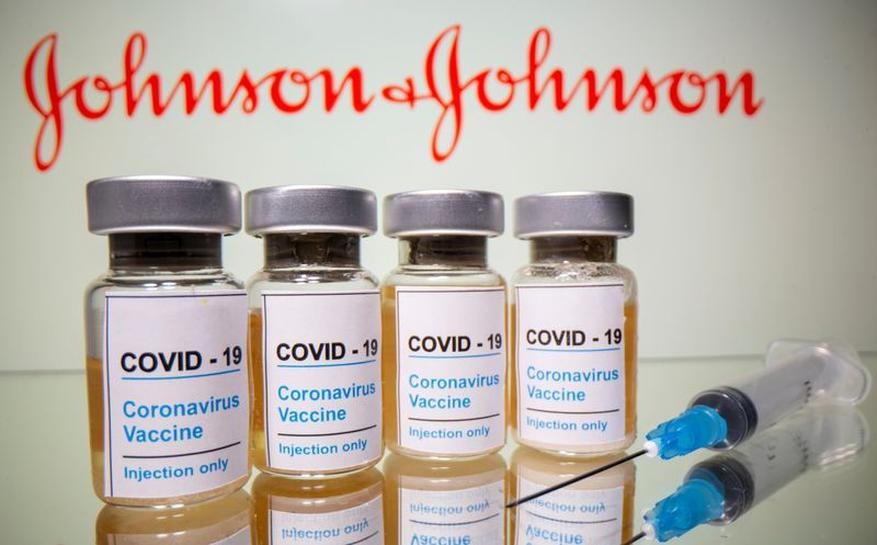
The latest testing on the efficacy for the Johnson and Johnson COVID-19 vaccine shows that it's not as effective as two other vaccines already being distributed.
Pfizer's and Moderna's vaccines are 90% and 95% effective, respectively. Johnson and Johnson's trials proved 66% effective worldwide, and 72% effective in the United States.
WKRC-TV, Local12, turned to Carl Fichtenbaum, MD, of the UC College of Medicine Division of Infectious Diseases to get his expert take on this news. Fichtenbaum told the TV station that it's important to be sure "we're comparing apples to apples and oranges to oranges."

Carl Fichtenbaum, MD, of the UC College of Medicine Division of Infectious Diseases/Photo/Colleen Kelley/UC Creative + Brand
He added that the Pfizer and Moderna vaccines were tested before the latest variants appeared, and Johnson & Johnson's initial trials were for just one dose; it's currently undergoing trials for a two-dose regimen.
"So, if I have the opportunity to get the Johnson & Johnson vaccine and I don't have any other opportunities, I'm going to take it, because it's safe. It's not going to hurt me," said Fichtenbaum. "It may or may not be as good as another vaccine. We don't know yet, but at least it's a vaccine I can get right now."
Fichtenbaum was also interviewed by WLWT-TV on the same subject. You can see that story here.
Lead image: Reuters/Dado Ruvic
Next Lives Here
The University of Cincinnati is classified as a Research 1 institution by the Carnegie Commission and is ranked in the National Science Foundation's Top-35 public research universities. UC's medical, graduate and undergraduate students and faculty investigate problems and innovate solutions with real-world impact. Next Lives Here.
Related Stories
‘Designer drug’ shows early neuroprotective signal in acute ischemic stroke
October 28, 2025

Medscape highlighted new trial results led by the University of Cincinnati's Eva Mistry that found an experimental drug shows promise in protecting injured brain cells for patients with acute ischemic stroke.
Is menstrual fluid ‘the most overlooked opportunity’ in women’s health?
October 27, 2025

The Guardian recently reported that period blood has long been thought of as ‘stinky and useless’, but startups are exploring using the fluid to test for a wide range of health conditions — including endometriosis.
What is squalane, and how does it work to moisturize skin?
October 27, 2025

The University of Cincinnati's Kelly Dobos was featured in a Women's Health article discussing squalane, an ingredient being increasingly used in moisturizing skincare products.