WOSU: Breast cancer screening and transgender patients
UC expert discusses new guidelines for this population, LGBTQ+ health disparities

Research shows that LGBTQ+ people tend to delay regular health screenings, and therefore, get later stage cancer cancer diagnoses that often lead to worse outcomes. This is in large part due to past negative experiences with health care providers.
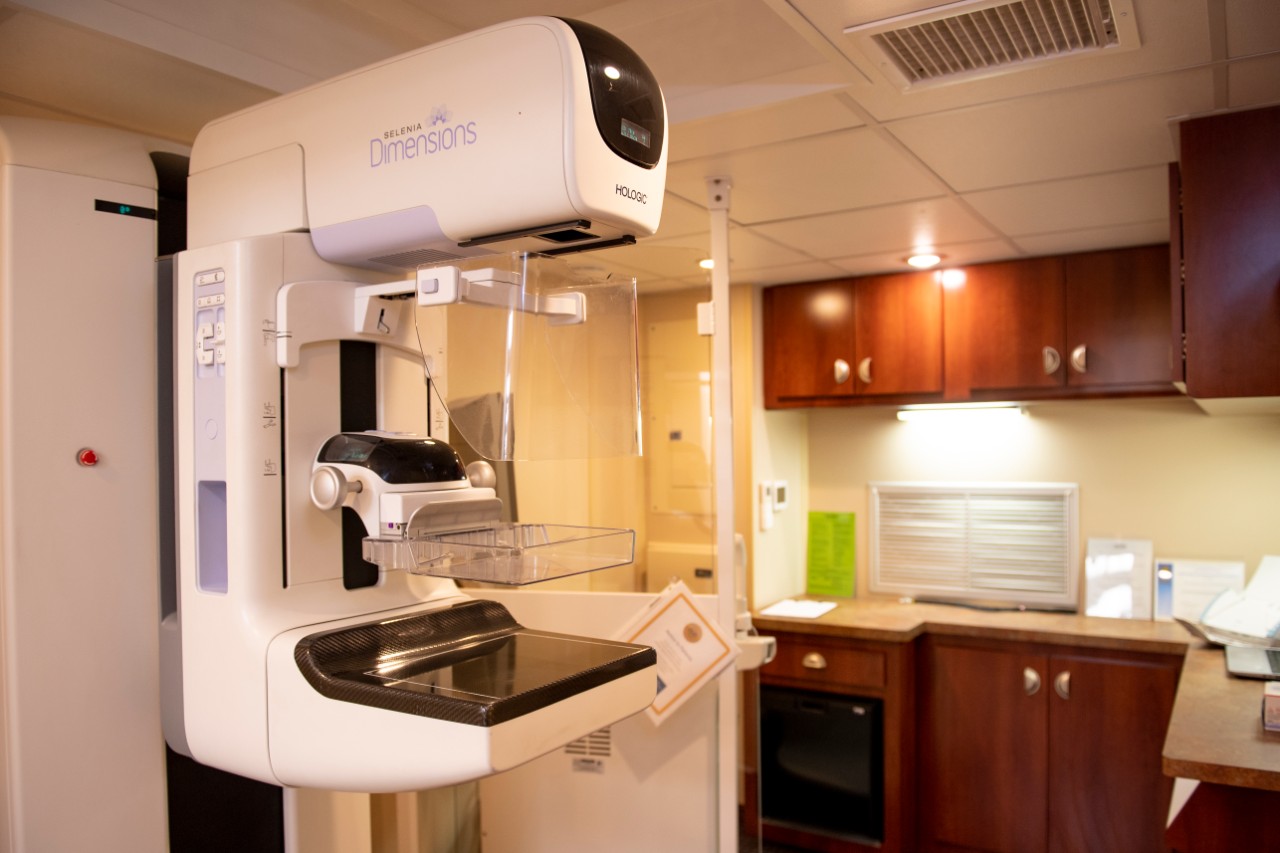
Annie Brown, MD, assistant professor of radiology at the University of Cincinnati College of Medicine and a UC Health radiologist, discusses new guidelines from the American College of Radiology that are being finalized on breast cancer screening for transgender patients.
"One of the reasons I became interested in this special population is that we were seeing more transgender patients in our clinics [during training in Boston], and we were not informed or comfortable as a group to know their specifc needs, how to address them, and that lack of understanding and knowledge made us uncomfortable which, in turn, couldn't have made our patients feel very comfortable. So I worked with another passionate physician to advocate, and our efforts grew from there.
"It's hard to image what it's like to be a gender minority in our country unless its part of your lived experience; most people don't have to hide who they love. Most people are happy with [their gender] and don't have to wake up each day questioning whether they are male or female. [This population has] experienced a lot of discrimination and abuse over the years."
Listen to the full WOSU-FM broadcast.
Brown is participating in a virutal educational series May 13 called "Risks, Resources, & Rights: A Series about Breast/Chest Health in the LGBTQ+ Community."
Impact Lives Here
The University of Cincinnati is leading public urban universities into a new era of innovation and impact. Our faculty, staff and students are saving lives, changing outcomes and bending the future in our city's direction. Next Lives Here.
Stay up to date on all UC's COVID-19 stories, or take a UC virtual visit and begin picturing yourself at an institution that inspires incredible stories.
Related Stories
‘Designer drug’ shows early neuroprotective signal in acute ischemic stroke
October 28, 2025

Medscape highlighted new trial results led by the University of Cincinnati's Eva Mistry that found an experimental drug shows promise in protecting injured brain cells for patients with acute ischemic stroke.
Is menstrual fluid ‘the most overlooked opportunity’ in women’s health?
October 27, 2025

The Guardian recently reported that period blood has long been thought of as ‘stinky and useless’, but startups are exploring using the fluid to test for a wide range of health conditions — including endometriosis.
What is squalane, and how does it work to moisturize skin?
October 27, 2025

The University of Cincinnati's Kelly Dobos was featured in a Women's Health article discussing squalane, an ingredient being increasingly used in moisturizing skincare products.