SELF: 6 things you should know about exercise and the COVID-19 vaccines
UC expert says light arm workouts after getting vaccinated could help with arm soreness

The United States has finally gotten to the point where everyone 16 years and older is eligible for a COVID-19 vaccine. While it's clear they offer great protection against COVID-19, some people may still have some questions about how vaccines affect everyday life, including exercise. In an article published by SELF, Carl Fichtenbaum, MD, of the Division of Infectious Diseases at the UC College of Medicine was one of the experts cited on how workout routines might be impacted by COVID-19 vaccines.

Carl Fichtenbaum, MD, of the UC College of Medicine Division of Infectious Diseases/Photo/Joe Fuqua II/UC Creative + Brand
Fichtenbaum said individual reactions to the vaccine can be as disparate as a symphony is from a grunge festival, ranging from no reaction at all to being stuck in bed with flu-like symptoms for a few days as your body builds up protection to this dangerous virus.
These potential reactions are simply a byproduct of how vaccines work: Vaccines contain foreign substances called antigens specific to the infection you’re trying to prevent, Fichtenbaum says. In an attempt to banish the antigen “invaders,” your immune system springs into action, releasing white blood cells and other tools. It’s this immune response that can make you feel a little icky in the hours or days following your vaccine.
Fichtenbaum also said a light workout for your arms and shoulders can help get your blood circulating, which may help arm soreness. He added that going for a personal best on strength training moves like shoulder presses, lateral raises, or dips and targeting your deltoids or triceps in particular with too much weight can exacerbate discomfort from the shot.
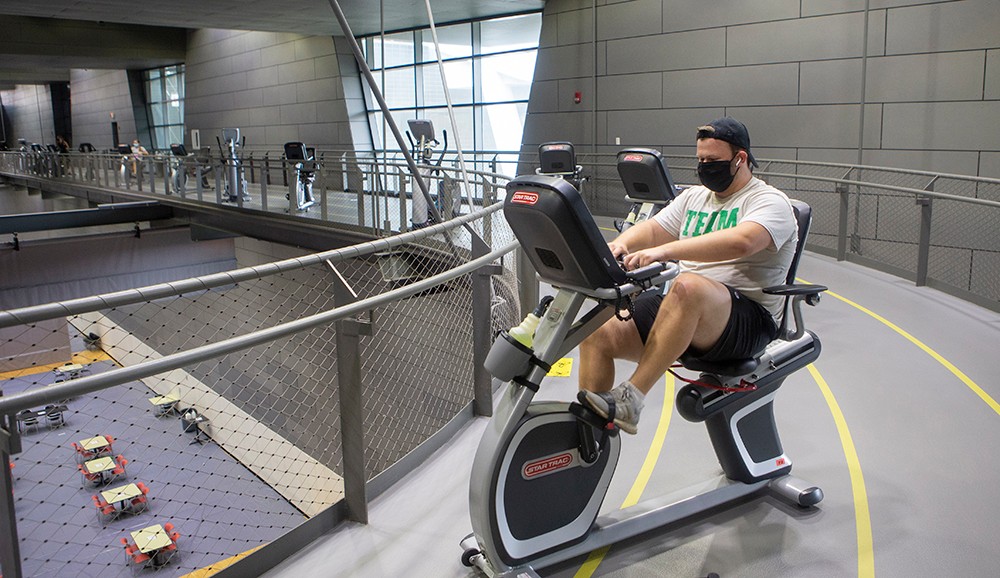
Lead photo/Joe Fuqua/UC Creative + Brand
Impact Lives Here
The University of Cincinnati is leading public urban universities into a new era of innovation and impact. Our faculty, staff and students are saving lives, changing outcomes and bending the future in our city's direction. Next Lives Here.
Stay up on all UC's COVID-19 stories, or take a UC virtual visit and begin picturing yourself at an institution that inspires incredible stories.
Related Stories
‘Designer drug’ shows early neuroprotective signal in acute ischemic stroke
October 28, 2025

Medscape highlighted new trial results led by the University of Cincinnati's Eva Mistry that found an experimental drug shows promise in protecting injured brain cells for patients with acute ischemic stroke.
Is menstrual fluid ‘the most overlooked opportunity’ in women’s health?
October 27, 2025

The Guardian recently reported that period blood has long been thought of as ‘stinky and useless’, but startups are exploring using the fluid to test for a wide range of health conditions — including endometriosis.
What is squalane, and how does it work to moisturize skin?
October 27, 2025

The University of Cincinnati's Kelly Dobos was featured in a Women's Health article discussing squalane, an ingredient being increasingly used in moisturizing skincare products.