Health: Antidepressant for COVID-19 reduces hospitalization risk, a new study finds
UC expert explains how the body responds to drugs like fluvoxamine

The anti-depressant drug fluvoxamine is being looked at by researchers as a possible treatment for COVID-19. A recently released study found the drug showed a reduced risk of hospitalization and death among COVID patients. However, the researchers concluded that more research is needed.
Health.com reported that experts believe fluvoxamine has shown to be effective against COVID-19 due to the medication's effects on the body's inflammatory response—specifically by tamping down that response in those with active COVID-19 infections.

Carl Fichtenbaum, MD, of the Division of Infectious Diseases at the UC College of Medicine/Photo/Colleen Kelley/UC Creative + Brand
Normally, when the body is trying to fight off an invader like SARS-CoV-2 (the virus that causes COVID-19), it releases cytokines, or biological chemicals that stimulate cell pathways and allow for communication between cells. Those cytokines signal to the body's immune system that it needs to start doing its job. In some cases, though, the the outpouring of cytokines becomes accelerated—known as a cytokine storm—creating high levels of inflammation in the body.
Carl Fichtenbaum, MD, of the Division of Infectious Diseases at the UC College of Medicine explained how that process works.
Normally, cytokines are meant to be helpful to us in moderation," said Fichtenbaum, "but when a certain pathway is engaged [too much] the immune system starts causing damage to the patient."
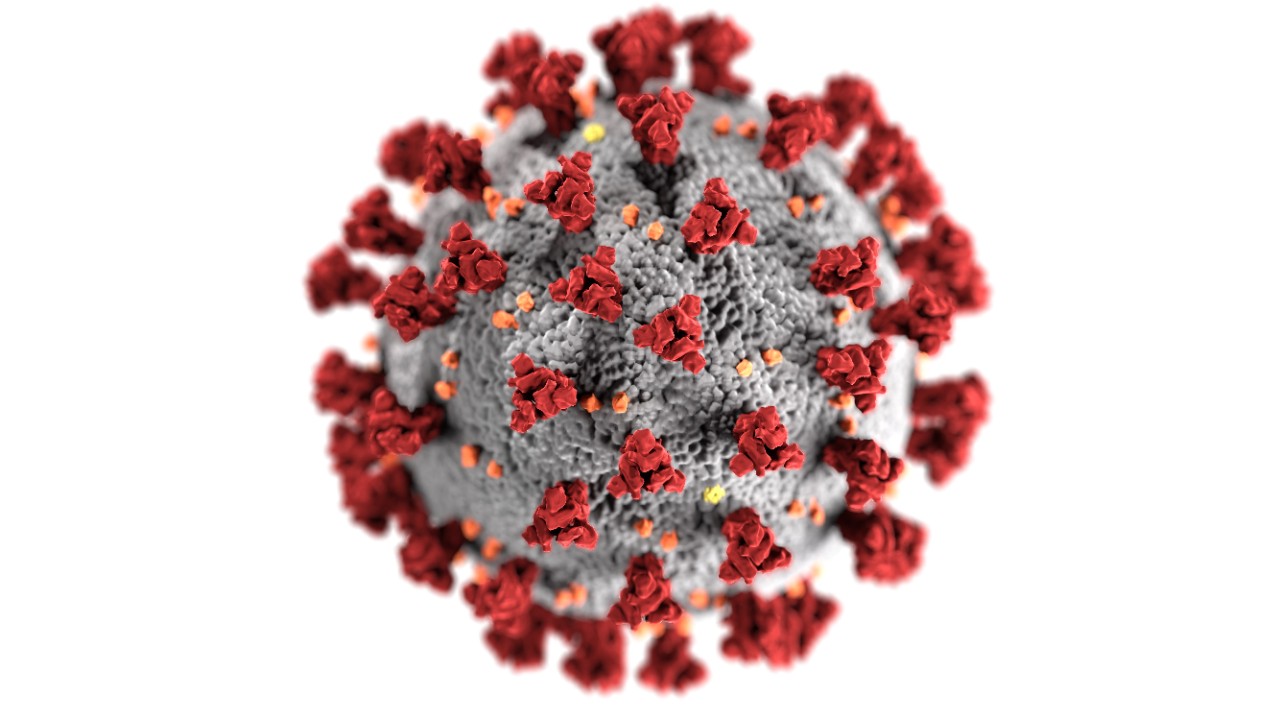
Lead image/CDC
Next Lives Here
The University of Cincinnati is classified as a Research 1 institution by the Carnegie Commission and is ranked in the National Science Foundation's Top-35 public research universities. UC's medical, graduate and undergraduate students and faculty investigate problems and innovate solutions with real-world impact. Next Lives Here.
Related Stories
‘Designer drug’ shows early neuroprotective signal in acute ischemic stroke
October 28, 2025

Medscape highlighted new trial results led by the University of Cincinnati's Eva Mistry that found an experimental drug shows promise in protecting injured brain cells for patients with acute ischemic stroke.
Is menstrual fluid ‘the most overlooked opportunity’ in women’s health?
October 27, 2025

The Guardian recently reported that period blood has long been thought of as ‘stinky and useless’, but startups are exploring using the fluid to test for a wide range of health conditions — including endometriosis.
What is squalane, and how does it work to moisturize skin?
October 27, 2025

The University of Cincinnati's Kelly Dobos was featured in a Women's Health article discussing squalane, an ingredient being increasingly used in moisturizing skincare products.