CBC: Unlocking the secrets of the ancient Maya
UC researchers are using DNA analysis to understand how ancient Maya culture thrived

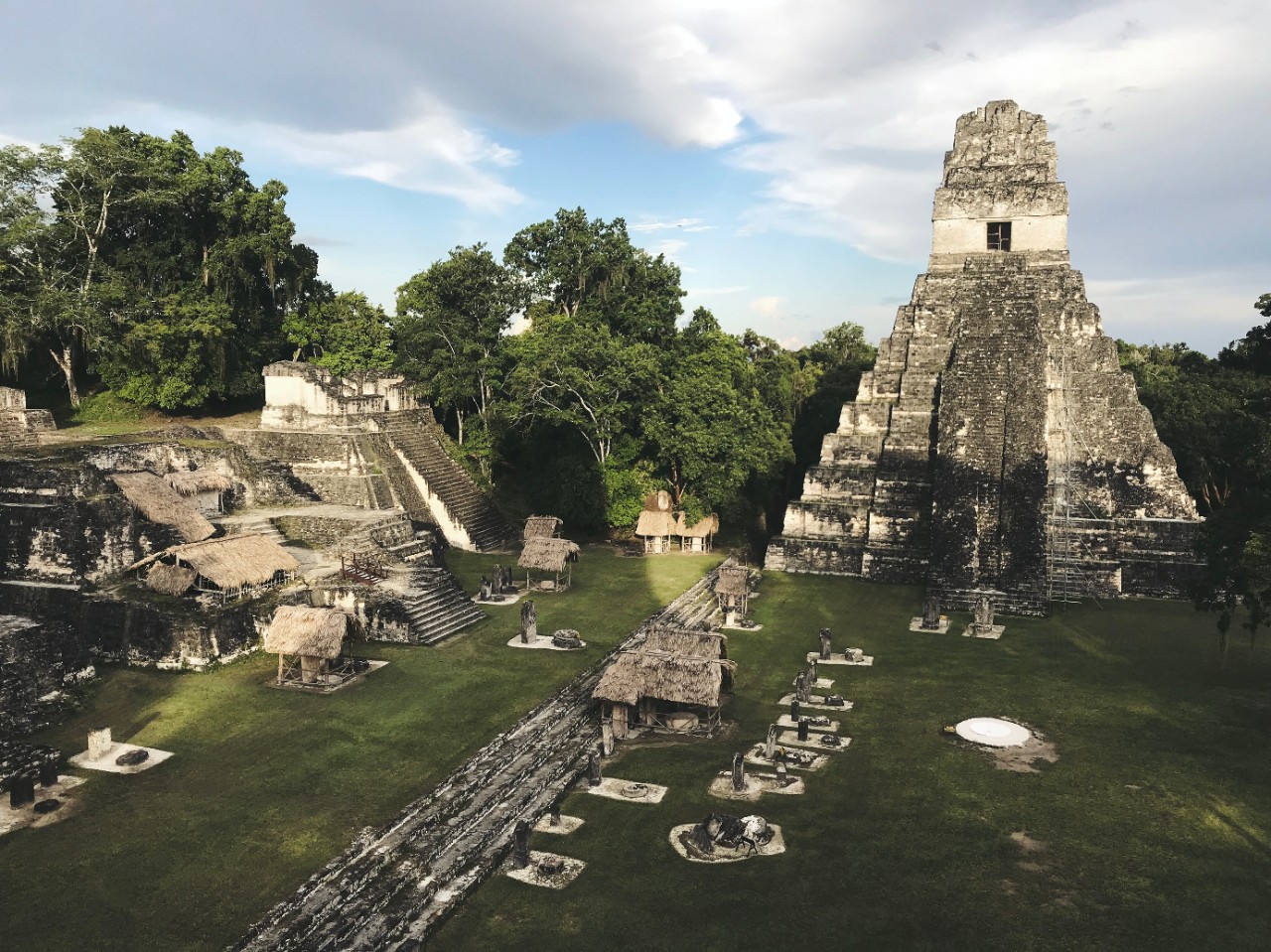
The CBC highlighted research by the University of Cincinnati using a first-of-its-kind DNA analysis to study the crops and wild plants that thrived around the ancient Maya city of Tikal more than 1,000 years ago.
UC’s multidisciplinary team found that Tikal’s reservoirs — critical sources of city drinking water — were lined with trees and wild vegetation that would have provided scenic natural beauty in the heart of the busy city.

UC biologist David Lentz at Tikal. Photo/Provided
UC developed a novel system to analyze ancient plant DNA in the sediment of Tikal’s temple and palace reservoirs to identify more than 30 species of trees, grasses, vines and flowering plants that lived along its banks more than 1,000 years ago. Their findings painted a picture of a lush, wild oasis equivalent to one of our urban parks.
The study was published in the journal Scientific Reports.
UC's research team included biologists David Lentz, Stephanie Meyers and Eric Tepe, geneticist Alison Weiss, geography professor Nicholas Dunning and anthropologist Vernon Scarborough. They collaborated with researchers from the University of Minnesota and City University in Guatemala.
Researchers found evidence of a variety of plants living along the aquifers, including trees like cabbage bark and ramón that tower 100 feet high. Lentz said ramón is a dominant rainforest species in Guatemala.
“Why you would find ramón around the reservoir is a curiosity. The answer is they left this forest intact,” Lentz said. “Tikal has a harsh climate. It’s pretty tough to survive when you don’t get rain for five months of the year. This reservoir would have been the font of their lives. So they sometimes would protect these places by not cutting down the trees and preserving a sacred grove.”
Featured image at top: The ancient Maya city of Tikal. Photo/Jimmy Baum/Unsplash
Related Stories
‘Designer drug’ shows early neuroprotective signal in acute ischemic stroke
October 28, 2025

Medscape highlighted new trial results led by the University of Cincinnati's Eva Mistry that found an experimental drug shows promise in protecting injured brain cells for patients with acute ischemic stroke.
Is menstrual fluid ‘the most overlooked opportunity’ in women’s health?
October 27, 2025

The Guardian recently reported that period blood has long been thought of as ‘stinky and useless’, but startups are exploring using the fluid to test for a wide range of health conditions — including endometriosis.
What is squalane, and how does it work to moisturize skin?
October 27, 2025

The University of Cincinnati's Kelly Dobos was featured in a Women's Health article discussing squalane, an ingredient being increasingly used in moisturizing skincare products.