6ABC: Light pollution can interfere with monarch migration
UC's butterfly research attracts national media attention

ABC6 in Philadelphia highlighted biology research at the University of Cincinnati that found light pollution can affect the uncanny navigational ability of monarch butterflies.
UC College of Arts and Sciences assistant professor Patrick Guerra, former UC postdoctoral researcher Adam Parlin, now at SUNY-ESF, and UC graduate Samuel Stratton conducted experiments that showed how nighttime light pollution can throw off the butterfly's internal compass. Prolonged exposure to artificial light at night makes the butterflies think it's earlier or later in the day, which interferes with their ability to navigate accurately using the sun.
The study was published in the journal iScience.
Parlin, the study's lead author, said nighttime light pollution can affect people and wildlife in surprising ways.
“Nighttime light pollution has been on the radar for some time, but it is a big environmental problem,” he said.
For its Big Talkers segment, 6ABC in Philadelphia shared UC's research. Monarchs migrate by the thousands through Pennsylvania and New Jersey during their fall migration to Mexico.
“It's an incredible sight, for those who have seen it, as these little insects that weigh less than a paperclip navigate the wind and the (Delaware Bay) to travel 100 miles per day using just their internal GPS,” ABC6 reported.
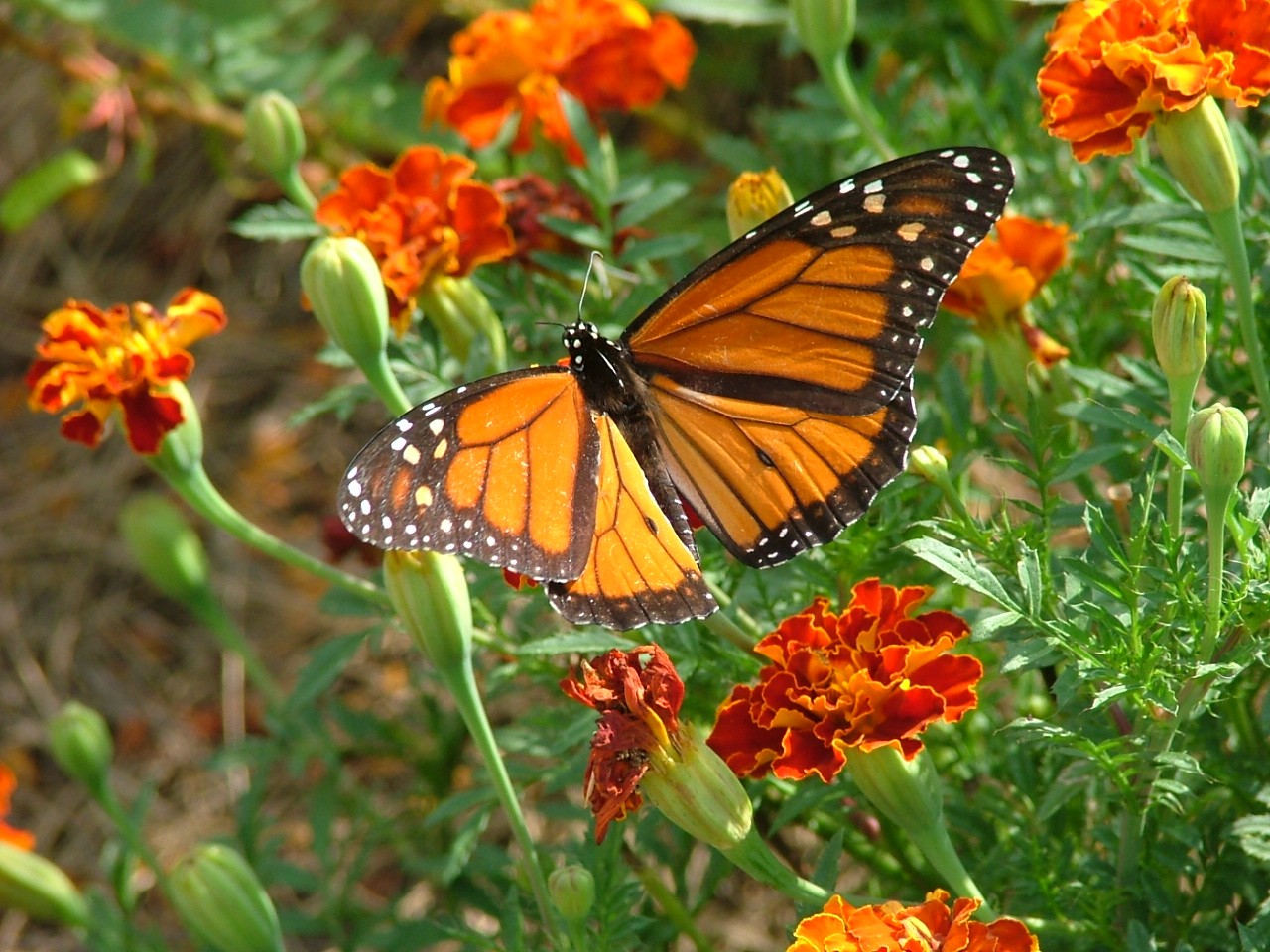
Featured image at top: A monarch butterfly. Photo/Michael Miller
UC biology research in the news

UC assistant professor Patrick Guerra is unraveling the mystery of the monarch butterfly's multi-generational migration in his lab. Photo/Lisa Ventre/UC Creative + Brand
- Natursidan (Sweden): Migration of monarch butterflies is disrupted by light pollution.
- India Times: Light pollution confuses monarch butterflies
Related Stories
‘Designer drug’ shows early neuroprotective signal in acute ischemic stroke
October 28, 2025

Medscape highlighted new trial results led by the University of Cincinnati's Eva Mistry that found an experimental drug shows promise in protecting injured brain cells for patients with acute ischemic stroke.
Is menstrual fluid ‘the most overlooked opportunity’ in women’s health?
October 27, 2025

The Guardian recently reported that period blood has long been thought of as ‘stinky and useless’, but startups are exploring using the fluid to test for a wide range of health conditions — including endometriosis.
What is squalane, and how does it work to moisturize skin?
October 27, 2025

The University of Cincinnati's Kelly Dobos was featured in a Women's Health article discussing squalane, an ingredient being increasingly used in moisturizing skincare products.