Medium: Are artificial sweeteners harmful? The truth
UC expert describes a link between artificial sweeteners and headaches

An article posted on Medium.com takes a deep dive into artificial sweeteners. The story examines what they are, takes a look at the different types of sweeteners that are on the market and the various effects they have on a person's health.
Included in those health impacts are weight gain, depression, digestive issues and headaches.
The article quotes Vincent Martin, MD, professor in the Department of Internal Medicine at the UC College of Medicine, director of the Headache and Facial Pain Center at the UC Gardner Neuroscience Institute who has analyzed research on the connection between artificial sweeteners and headaches.

Vincent Martin, MD, professor in the Department of Internal Medicine at the UC College of Medicine, director of the Headache and Facial Pain Center at the UC Gardner Neuroscience Institute /Photo/Colleen Kelley/UC Marketing + Brand
The article in Medium.com reports artificial sweeteners, like aspartame, have been shown to cause headaches in a small percentage of people. People who have migraines have been shown to be more susceptible to getting headaches after consuming artificial sweeteners.
Referring to that research, Martin concluded that “Two of the three randomized studies involving aspartame have shown a positive correlation between the sweetener and headache.”
However, he also says that “… you really have to ingest large quantities of aspartame to generate headache. It might be two to three liters of diet soda per day. It also requires a prolonged exposure. A headache may not occur with one drink.”
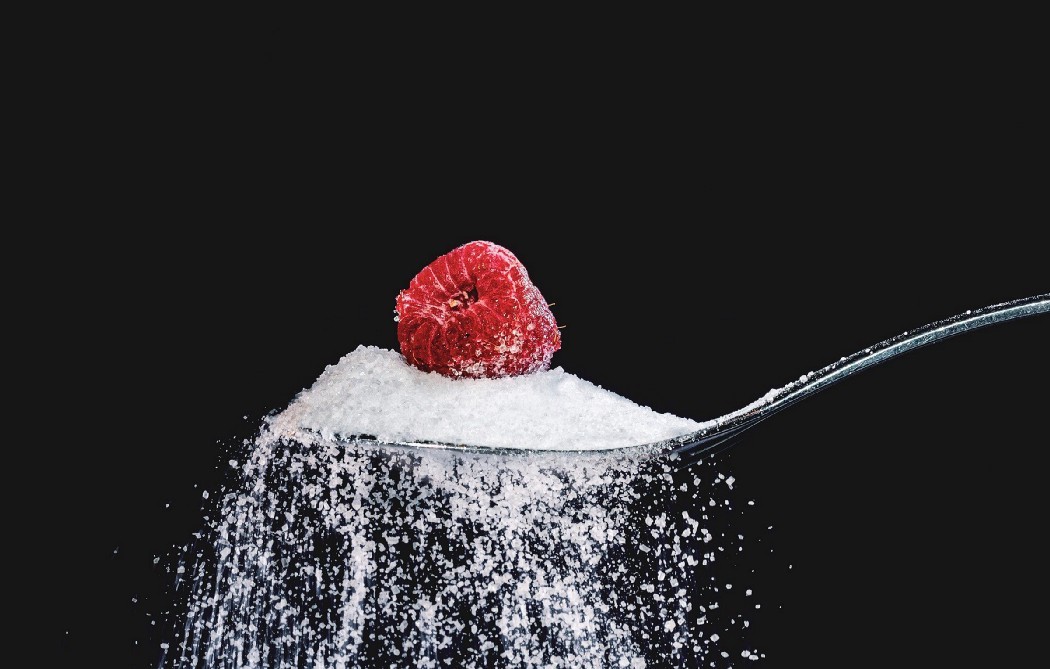
Lead photo/Myriam Zilles/Unsplash
Next Lives Here
The University of Cincinnati is classified as a Research 1 institution by the Carnegie Commission and is ranked in the National Science Foundation's Top-35 public research universities. UC's medical, graduate and undergraduate students and faculty investigate problems and innovate solutions with real-world impact. Next Lives Here.
Related Stories
‘Designer drug’ shows early neuroprotective signal in acute ischemic stroke
October 28, 2025

Medscape highlighted new trial results led by the University of Cincinnati's Eva Mistry that found an experimental drug shows promise in protecting injured brain cells for patients with acute ischemic stroke.
Is menstrual fluid ‘the most overlooked opportunity’ in women’s health?
October 27, 2025

The Guardian recently reported that period blood has long been thought of as ‘stinky and useless’, but startups are exploring using the fluid to test for a wide range of health conditions — including endometriosis.
What is squalane, and how does it work to moisturize skin?
October 27, 2025

The University of Cincinnati's Kelly Dobos was featured in a Women's Health article discussing squalane, an ingredient being increasingly used in moisturizing skincare products.