Wired: Therapy part of psychedelic therapy is a mess
UC researcher says tested therapy protocols are needed to protect patients

Wired turned to a University of Cincinnati postdoctoral researcher to understand shortcomings in new experimental therapies that use psychedelics.
UC College of Arts and Sciences research associate Neşe Devenot is co-author of a new opinion piece in the journal JAMA Psychiatry that argues that psychedelic-assisted therapies need tested protocols to prevent patient harm.
Some clinical studies have reported serious adverse events among patients in psychedelic trials that include abuse, self harm and dependency.
“A lot of the ideas that are taken for granted about the way psychedelic-assisted therapy works are not evidence-based. They’re not ideas that are rooted in any kind of traditional scientific evidence,” Devenot told Wired.
And the speed at which researchers are racing to get the therapy out to the masses means that the time to scrutinize this component is running out. “They’re building the airplane while they’re flying it,” she says.
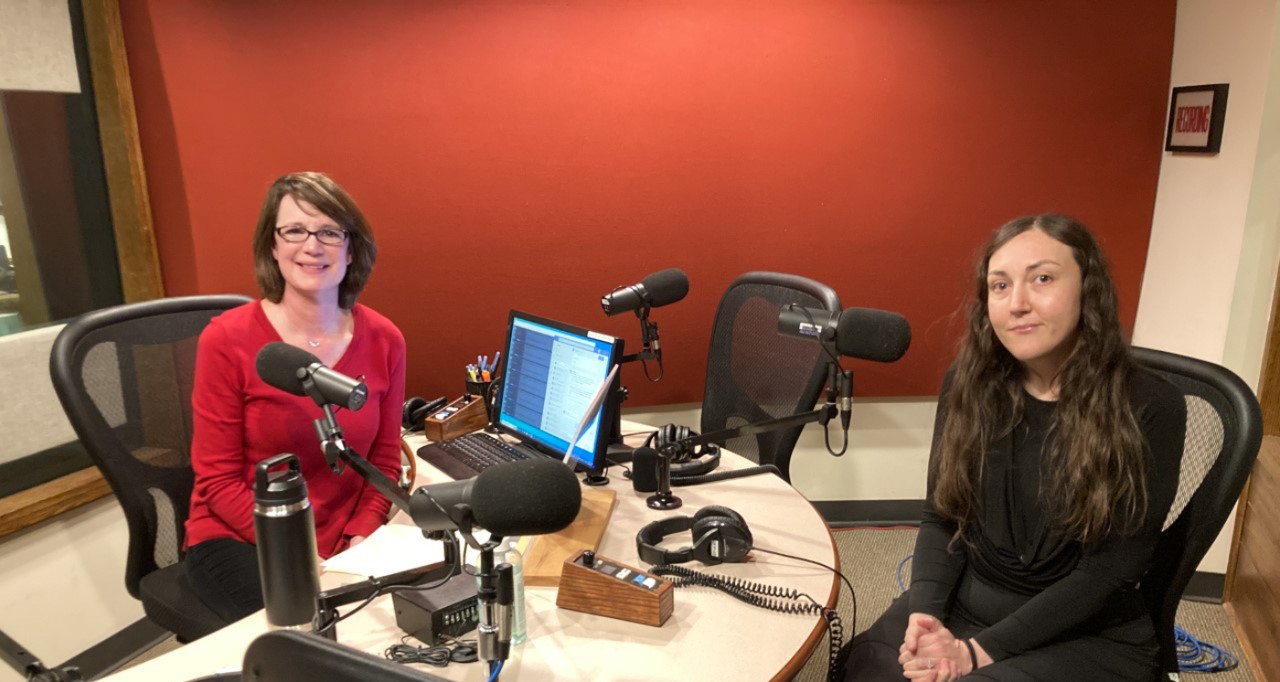
Devenot, who works in UC's Institute for Research in Sensing, was a guest on WVXU's Cincinnati Edition to discuss the growing interest around psychedelics. She spoke to Cincinnati Edition host Lucy May about the risks and potential rewards of psychedelics to treat a wide variety of mental health issues.
Devenot was co-author of a study in the Kennedy Institute of Ethics Journal that found psychedelics might help people change unwanted behaviors by helping them reinvent their perceptions of themselves.
UC researchers re-examined a smoking-cessation study that asked participants to write about their experience with psilocybin in conjunction with clinical treatment to quit smoking. They found that psychedelics combined with talk therapy often helped longtime smokers see themselves as nonsmokers. This new core identity might help explain why 80% of participants were able to stop smoking for six months and 60% remained smoking-free after five years.
“It wasn't just psilocybin,” Devenot told Cincinnati Edition. “Clinical trial leaders and clinicians were suggesting that the participants were at their root a nonsmoker. They were encouraging that shift in perspective.”
Devenot's colleague Allen Davis, director of Ohio State University's Center for Psychedelic Drug Research and Education, also joined the show to discuss its potential and the legal and political environment that makes studying psychedelics a challenge.
Featured image at top: Lucy May, left, host of WVXU's Cincinnati Edition, talks to UC postdoctoral research associate Neşe Devenot about psychedelics. Photo/Michael Miller
More UC research in the news
- Neuroscience News: Psychedelics may help people reinvent themselves
- New York Post: Psychedelics could transform cigarette addiction treatment
- Medical Xpress: Psychedelics may help people reinvent themselves
Related Stories
‘Designer drug’ shows early neuroprotective signal in acute ischemic stroke
October 28, 2025

Medscape highlighted new trial results led by the University of Cincinnati's Eva Mistry that found an experimental drug shows promise in protecting injured brain cells for patients with acute ischemic stroke.
Is menstrual fluid ‘the most overlooked opportunity’ in women’s health?
October 27, 2025

The Guardian recently reported that period blood has long been thought of as ‘stinky and useless’, but startups are exploring using the fluid to test for a wide range of health conditions — including endometriosis.
What is squalane, and how does it work to moisturize skin?
October 27, 2025

The University of Cincinnati's Kelly Dobos was featured in a Women's Health article discussing squalane, an ingredient being increasingly used in moisturizing skincare products.