MarketScale: Labor shortages are driving growth of wearable heart tech
Biomedical engineering professor explains why new devices are in such high demand

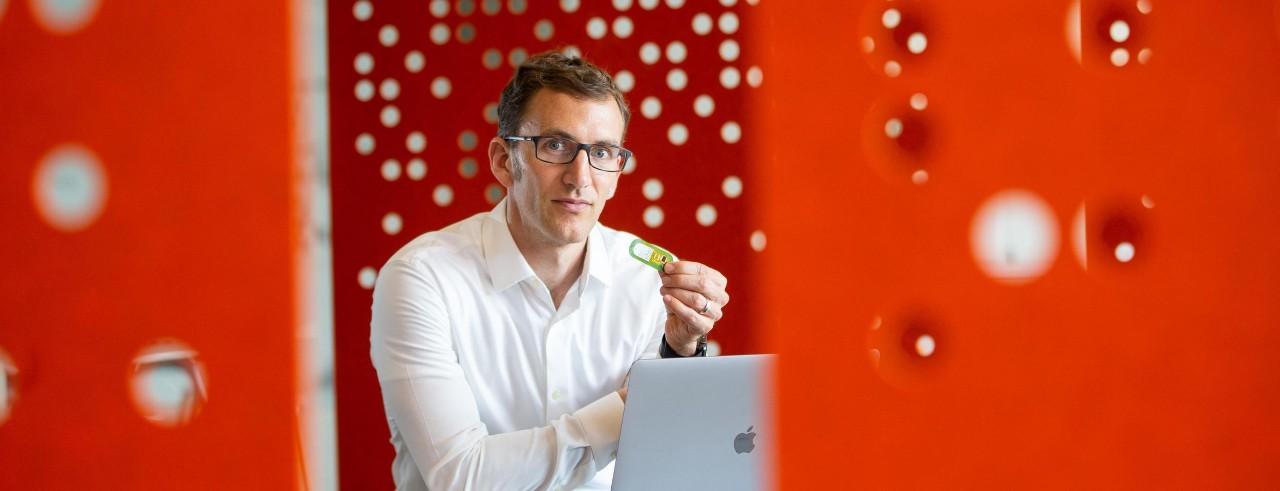
MarketScale turned to a biomedical engineering professor at the University of Cincinnati to explain the high growth of wearable technology in the field of cardiovascular medicine.
UC College of Engineering and Applied Science Professor Jason Heikenfeld said companies are trying to replicate the success of home blood-glucose monitoring for diabetes with other chronic illnesses such as heart disease.
“Cardiovascular disease is coming for all of us,” Heikenfeld told Marketscale. “If you look at the states, at age 60 you have a 50% chance of having cardiovascular disease. It's something that will affect all of us, especially as the population ages.”
In his Novel Device Lab, Heikenfeld and his research team have applied for more than 100 patents on a variety of new sensors and wearable technology.
Heikenfeld said labor shortages in health care are driving the growth of home-health monitoring and wearable technology.
“For hospitals and providers, there’s a huge push to decentralize medicine and get it out of the clinic,” he said. “Doing things in-clinic is costly. And we have an infrastructure bottleneck. So we need to find ways to streamline things and make them more efficient.”
Heikenfeld said researchers working on the next generation of sensors are using the latest glucose monitors for inspiration.
“They are total works of art,” he said. “They’re beautiful. They last for two weeks. They’re disposable. They’re affordable. They’re highly accurate. Patients apply them and most don’t feel any pain or anything whatsoever, so patients are happy with them.”
Related Stories
‘Designer drug’ shows early neuroprotective signal in acute ischemic stroke
October 28, 2025

Medscape highlighted new trial results led by the University of Cincinnati's Eva Mistry that found an experimental drug shows promise in protecting injured brain cells for patients with acute ischemic stroke.
Is menstrual fluid ‘the most overlooked opportunity’ in women’s health?
October 27, 2025

The Guardian recently reported that period blood has long been thought of as ‘stinky and useless’, but startups are exploring using the fluid to test for a wide range of health conditions — including endometriosis.
What is squalane, and how does it work to moisturize skin?
October 27, 2025

The University of Cincinnati's Kelly Dobos was featured in a Women's Health article discussing squalane, an ingredient being increasingly used in moisturizing skincare products.