Ancient Maya built fish-trapping weirs in Belize
Discovery is first indication of aquaculture by ancient Maya

Live Science turned to a University of Cincinnati geography professor to understand the significance of the discovery of the first evidence of aquaculture among the ancient Maya.
Researchers at the University of New Hampshire discovered evidence of ancient fish-trap weirs in Belize. The ancient Maya dug a network of canals to steer fish into the weirs, providing the first evidence of aquaculture.
Researchers said the fish traps could have fed thousands of people.
UC College of Arts and Sciences Professor Emeritus Nicholas Dunning was not part of the research project but has studied the ancient Maya in Mexico and Guatemala. He said the study provides some answers to fundamental questions about how the ancient Maya thrived 4,000 years ago.
“Over the past several decades, quite a few scholars of the ancient Maya, including myself, have suggested that aquaculture may have played an important role in the development of Maya civilization,” Dunning said. “However, the present study is the first that I know of to specifically attempt to test this hypothesis.”
Dunning called the study an important work in helping scholars of the ancient Maya understand the origins of sedentary society in the region.
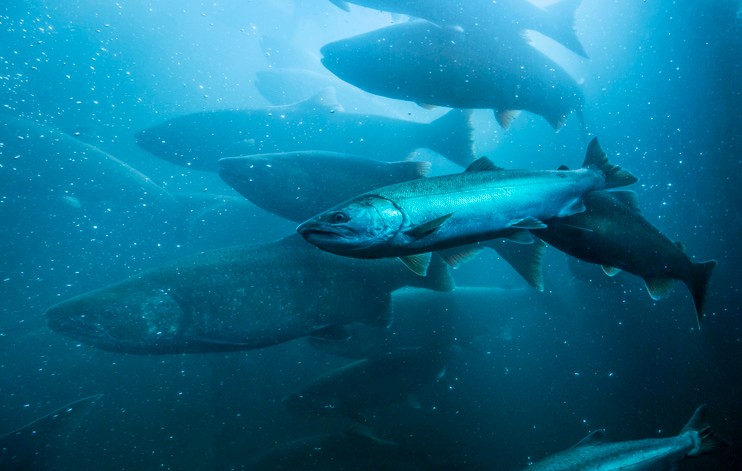
Featured image at top: Researchers discovered evidence of aquaculture by the ancient Maya in Belize thousands of year ago. Photo/Dave Alan

UC Professor Emeritus Nicholas Dunning spoke to Live Science about the discovery that the ancient Maya practiced aquaculture by catching fish in weirs. Photo/Joseph Fuqua II/UC
UC researchers reveal world of ancient Maya

UC student Jeff Brewer and UC Professor Nicholas Dunning work at an archaeological site in Mexico's Yucatan Peninsula. Photo/Provided
Related Stories
‘Designer drug’ shows early neuroprotective signal in acute ischemic stroke
October 28, 2025

Medscape highlighted new trial results led by the University of Cincinnati's Eva Mistry that found an experimental drug shows promise in protecting injured brain cells for patients with acute ischemic stroke.
Is menstrual fluid ‘the most overlooked opportunity’ in women’s health?
October 27, 2025

The Guardian recently reported that period blood has long been thought of as ‘stinky and useless’, but startups are exploring using the fluid to test for a wide range of health conditions — including endometriosis.
What is squalane, and how does it work to moisturize skin?
October 27, 2025

The University of Cincinnati's Kelly Dobos was featured in a Women's Health article discussing squalane, an ingredient being increasingly used in moisturizing skincare products.