Small businesses prepare for impacts of Trump tariffs
UC economist explains why timing could be bad for new home buyers

WLWT-5 turned to a University of Cincinnati economics professor to explain how tariffs imposed on Mexico, China and Canada could affect the national economy.
Associate Professor Michael Jones teaches economics in UC's Carl H. Lindner College of Business.

Michael Jones. Photo/Andrew Higley/UC Marketing + Brand
He said the timing of the tariffs could strain industries such as residential construction that are already recovering from natural disasters and dealing with high interest rates.
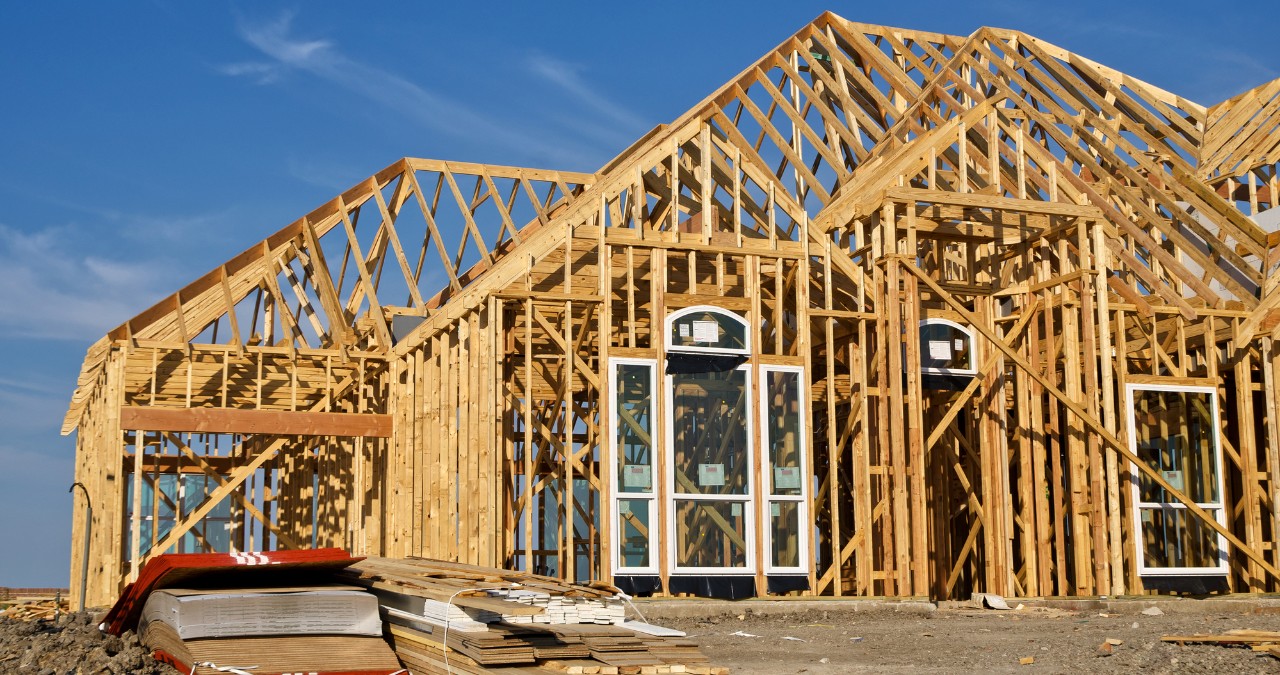
“On top of rebuilding homes in California, North Carolina and Florida, a tariff on lumber from Canada will result in higher prices for the typical new home buyer,“ Jones told WLWT.
“Any of these in isolation might be relatively minor but when you combine somewhat high interest rates, tariffs and natural disasters, it puts a lot of strain on new home buyers.“
The Trump Administration has proposed levying 25% tariffs on goods imported to the United States from Mexico and Canada along with a 10% tariff on goods from China. Tariffs essentially are taxes paid by importers who transfer the costs to consumers.
In 1816, tariffs in the United States were imposed as a means to steer consumers to purchase American-made goods by artificially increasing the prices of foreign goods. Today, many imported goods are not made anywhere in the United States. As a result, consumers would have no choice but to pay more or do without.
The Trump Administration said it is levying tariffs to push Canada and Mexico to boost security at its borders to prevent illegal border crossings and the flow of the narcotic fentanyl into the United States.
Canada, China and Mexico have threatened retaliatory tariffs on goods imported from the United States. The Trump Administration on Monday postponed the tariffs for a month after Canada and Mexico agreed to cooperate on border security.
Featured image at top: Construction prices could jump under a federal plan to levy tariffs on imports from Canada, Mexico and China, UC economist Michael Jones says. Photo/Unsplash
Related Stories
‘Designer drug’ shows early neuroprotective signal in acute ischemic stroke
October 28, 2025

Medscape highlighted new trial results led by the University of Cincinnati's Eva Mistry that found an experimental drug shows promise in protecting injured brain cells for patients with acute ischemic stroke.
Is menstrual fluid ‘the most overlooked opportunity’ in women’s health?
October 27, 2025

The Guardian recently reported that period blood has long been thought of as ‘stinky and useless’, but startups are exploring using the fluid to test for a wide range of health conditions — including endometriosis.
What is squalane, and how does it work to moisturize skin?
October 27, 2025

The University of Cincinnati's Kelly Dobos was featured in a Women's Health article discussing squalane, an ingredient being increasingly used in moisturizing skincare products.