Why jumping spiders mimic wasps
In nature's game of survival, appearances can deceive

Earth.com highlighted a study by biologists at the University of Cincinnati that found spiders that look like wasps can fool not only other spiders but also artificial intelligence.
Scientists for years have been struck by how some male jumping spiders resemble wasps when they raise their abdomen's during their courtship rituals. Australian researchers who discovered one new species named it after the Latin name for wasp.

The backs of jumping spiders resemble predatory insects like wasps and praying mantises that can fool even AI. Graphic/Olivia Harris with photos by Jurgen Otto
Biologists in UC's College of Arts and Sciences discovered that the ruse tricks even artificial intelligence that could not always correctly identify the jumping spiders among images of wasps, flies and praying mantises.
Mimicry is a common strategy in nature. But why would a spider want to mimic a wasp, which hunts and feeds on spiders?
UC Associate Professor Nathan Morehouse, a study co-author, said the male spiders might use the ruse to capture the attention of females. And once they have their potential mate's attention, they can make introductions through their elaborate courtship rituals.
The study was published in the journal Behavioral Ecology.
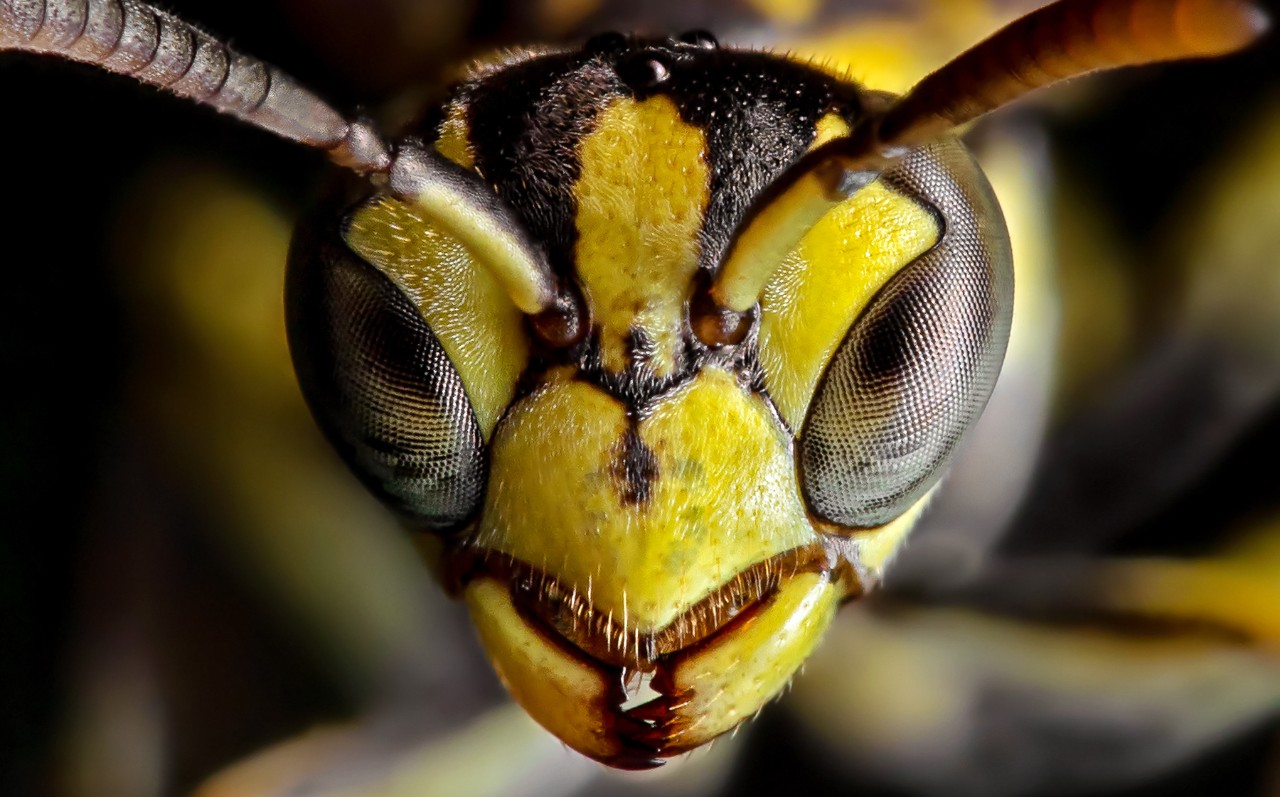
Featured image at top: Researchers always thought the backs of some jumping spiders resembled a hornet's face. It even fools AI. Photo/Backiris/iStockPhoto

UC Associate Professor Nathan Morehouse studies jumping spiders in his biology lab. Photo/Jay Yocis/UC
Related Stories
‘Designer drug’ shows early neuroprotective signal in acute ischemic stroke
October 28, 2025

Medscape highlighted new trial results led by the University of Cincinnati's Eva Mistry that found an experimental drug shows promise in protecting injured brain cells for patients with acute ischemic stroke.
Is menstrual fluid ‘the most overlooked opportunity’ in women’s health?
October 27, 2025

The Guardian recently reported that period blood has long been thought of as ‘stinky and useless’, but startups are exploring using the fluid to test for a wide range of health conditions — including endometriosis.
What is squalane, and how does it work to moisturize skin?
October 27, 2025

The University of Cincinnati's Kelly Dobos was featured in a Women's Health article discussing squalane, an ingredient being increasingly used in moisturizing skincare products.